

State of Uttarakhand
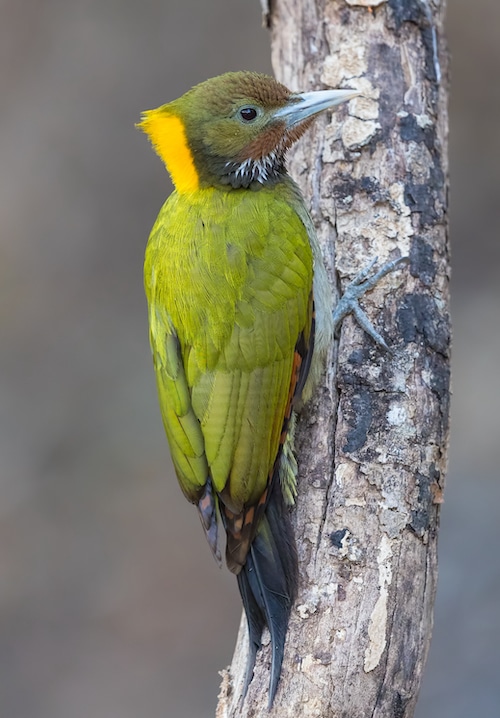
Uttarakhand – meaning ‘Northern Land’, also known as Uttaranchal is a state in northern India. It is bordered by Himachal Pradesh to the northwest, Tibet to the north, Nepal to the east, Uttar Pradesh to the south and southeast, with a small part touching Haryana in the west. It has a total area of 53,483 km2 (20,650 square miles) and nis home to about 12 million people. Dehradun is the largest city and state capital, with about 1.7 million people. Nainital is the judicial capital. The state is divided into two divisions, Garhwal and Kumaon. Inhabitants of the state are called either Garhwali or Kumaoni depending on their region of origin. Hinduism is practiced by more than three-fourths of the population, with Islam being the next-largest religious group. Hindi is the most widely spoken language and is also the official language of the state, along with native regional languages include Garhwali, Jaunsari, Gurjari and Kumaoni. The state is often referred to as the ‘Devbhumi’ (Land of the Gods), due to its religious significance and numerous Hindu temples and pilgrimage centres found throughout the state. Along with several historical, natural and religious tourist destinations, including Char Dham, Haridwar, Rishikesh, Panch Kedar, Himalayas, and Sapta Badri. Uttarakhand is also home to two World Heritage sites.
Uttarakhand has a total area of 53,483 km2 (20,650 square miles), of which 86% is mountainous and 65% is covered by forest. Most of the northern part of the state is covered by high Himalayan peaks and glaciers. The cultivatable land covers another 15%. The two major rivers of the state, the Ganges and its tributary Yamuna, originate from the Gangotri and Yamunotri glaciers respectively.
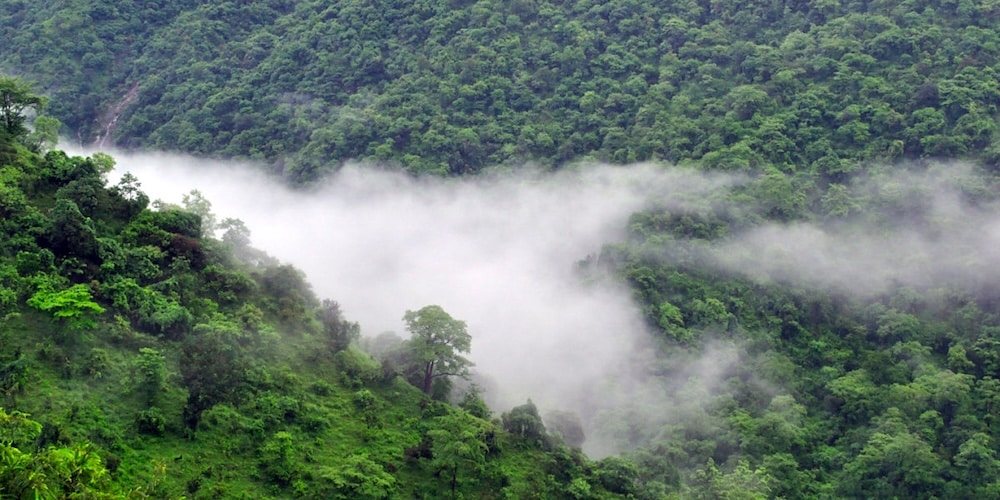
©travelling Slacker from Mumbai CC BY 2.0 via Wikimedia Commons
Uttarakhand lies on the southern slope of the Himalaya range, and the climate and vegetation vary greatly with elevation, from glaciers at the highest elevations to subtropical forests at the lower elevations. The highest elevations are covered by ice and bare rock. Below them, between 9,800 and 16,400 feet are the western Himalayan alpine shrub and meadows. The temperate western Himalayan subalpine conifer forests grow just below the tree line. At 9,800 to 8,500 feet elevation, they transition to the temperate western Himalayan broadleaf forests, which lie in a belt from 8,500 to 4,900 feet elevation. Below 4,900 feet lie the Himalayan subtropical pine forests. The Upper Gangetic Plains moist deciduous forests and the drier Terai-Duar savanna and grasslands cover the lowlands along the Uttar Pradesh border in a belt locally known as Bhabar. These lowland forests have mostly been cleared for agriculture, but a few pockets remain.
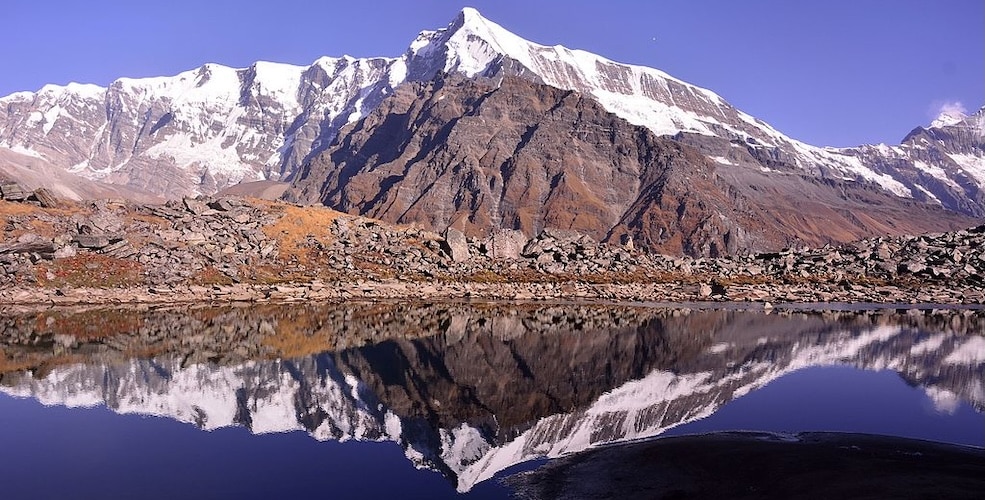
Devi Kund – ©Sudiptaguha CC BY-SA 4.0 via Wikimedia Commons
Uttarakhand has a temperate climate, but varies greatly from north to south. The climatic conditions experienced in the state vary from subtropical in the southern part to alpine in the upper reaches of the Himalayan Mountains in the northern parts. The winter season from December to February, is extreme with temperatures fluctuating anywhere between 5 °C and 20 °C. In higher altitudes and mountainous regions, temperatures often drop below freezing point. Cold winds blow across Uttarakhand, especially in the higher altitudes and mountainous regions. These winds bring cold temperatures and often carry moisture, contributing to the heavy snowfall in places like the Himalayan ranges and hill stations.
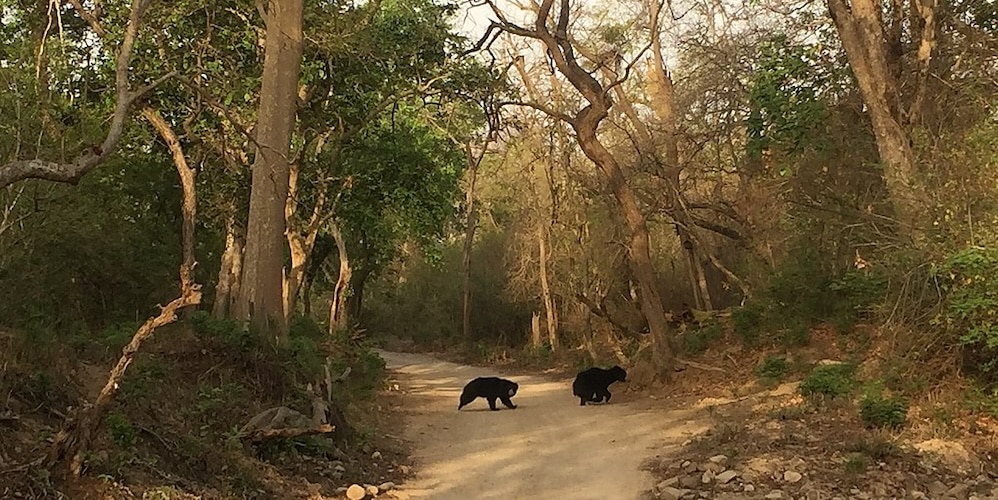
Jim Corbett National Park – ©Sruthijp96 CC BY-SA 4.0 via Wikimedia Commons
During the Pre-monsoon or hot weather season from March to May, temperature starts to rise and steadily rises till it reaches its peak in May to the middle of June, when the mean maximum temperature in southern parts and valleys of the state is at about 34 °C to 38 °C and mean minimum temperature is at about 20 °C to 24 °C. June to September constitutes the southwest monsoon season and the period of October and November is of post monsoon season. The state receives rainfall mainly due monsoon depressions originating in the Bay of Bengal during the southwest monsoon season. The total annual rainfall for the state as a whole is 52 inches. Although, rainfall in the state varies from place to place due to its rugged topography. Precipitation is not heavy and occurs in the form of rain and snow. Winds are generally light of the order of 1 to 4 kmph in the valleys and 5 to 10 kmph at elevations of 2 km increasing further with higher altitudes.
Birding Uttarakhand
Uttarakhand has a diversity of flora and fauna. The vegetation of the state majorly comprises alpine trees and tropical rainforests. Evergreen oaks, rhododendrons, and conifers predominate in the hills. Prunus cerasoides (pahiyya), sal (Shorea robusta), silk cotton tree (Bombax ciliata), Dalbergia sissoo, Mallotus philippensis, Acacia catechu, Bauhinia racemosa, and Bauhinia variegata (camel’s foot tree) are some other trees of the region. Albizia chinensis, the sweet sticky flowers of which are favoured by sloth bears, are also part of the region’s flora.
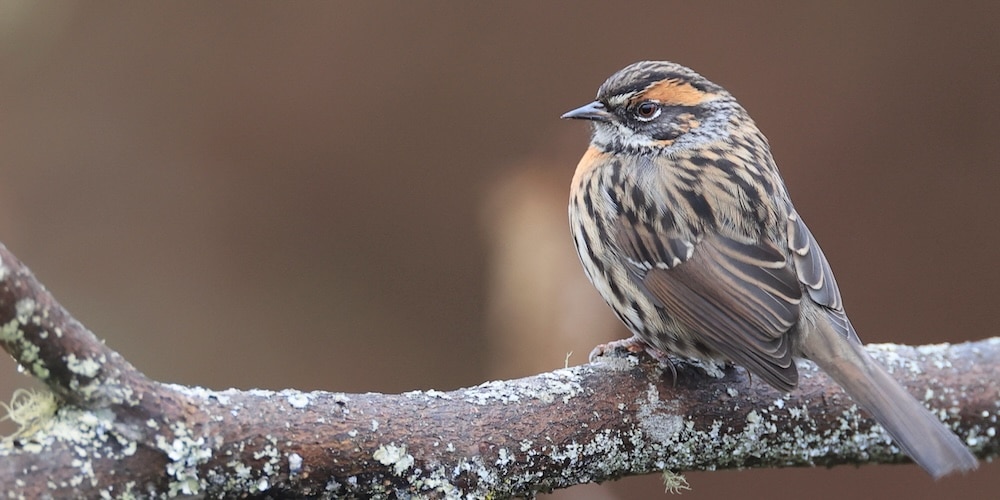
Rufous-breasted Accentor Prunella strophiata – ©Bird-Photo-Tours ASIA
The state is home to rare species of plants and animals, many of which are protected by sanctuaries and reserves. National parks in Uttarakhand include the Jim Corbett National Park (the oldest national park of India) in Nainital and Pauri Garhwal District, and Valley of Flowers National Park & Nanda Devi National Park in Chamoli District, which together are a UNESCO World Heritage Site. A number of plant species in the valley are internationally threatened, including several that have not been recorded from elsewhere in Uttarakhand. Rajaji National Park in Haridwar, Dehradun and Pauri Garhwal District and Govind Pashu Vihar National Park & Gangotri National Park in Uttarkashi District are some other protected areas in the state.
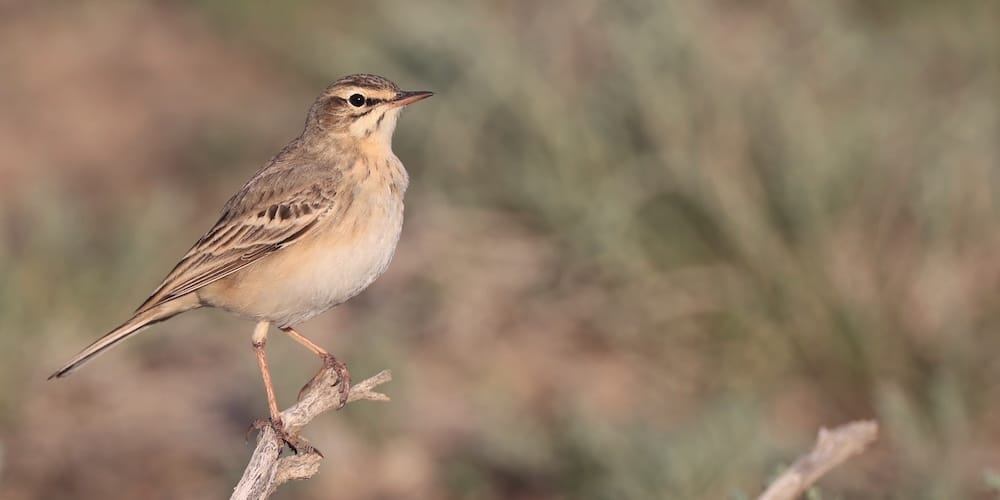
Tawny Pipit Anthus campestris – ©Bird-Photo-Tours ASIA
Bengal tigers and leopards are found in the hilliest areas, but may also venture into the lowland jungles. There are also smaller felines include the jungle cat, fishing cat, and leopard cat. Other mammals include four kinds of deer (barking, sambar, hog and chital), sloth, Brown and Himalayan black bears, Indian grey mongooses, otters, yellow-throated martens, bharal, Indian pangolins, and langur and rhesus monkeys. In the summer, elephants can be seen in herds of several hundred. Marsh crocodiles, gharials and other reptiles are also found in the region. Local crocodiles were saved from extinction by captive breeding programs and subsequently re-released into the Ramganga River. Some of the states sought-after bird species include Jungle and Tawny-bellied Babblers, Great Slaty Woodpecker, Red-breasted Parakeet, Orange-breasted Green Pigeon and Chestnut-winged Cuckoo.
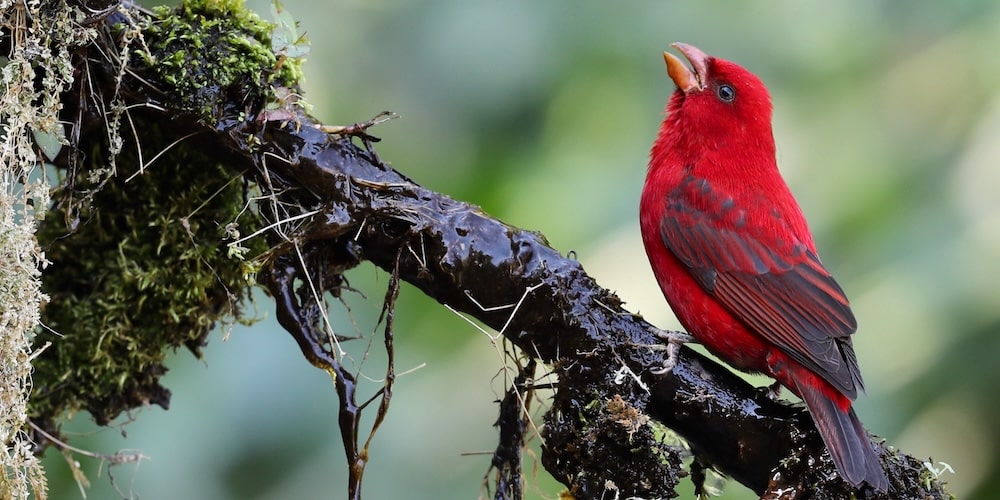
Scarlet Finch Carpodacus sipahi – ©Bird-Photo-Tours ASIA
This rich multitude of forest habitats supports an enormous diversity of bird life. Over 600 species have been recorded from this small state, which include residents, summer migrants from peninsular India and as far as north Africa, passage & winter migrants form the Palaearctic region & vagrants from adjoining areas. Although forested areas all over the state offer plenty of scope for bird watching, favourite birders’ destinations are a number of large protected areas some of the best places to watch birds in India.
-
Dehra Dun Valley
Satellite ViewDehra Dun valley & the adjacent hills of Mussoorie, Dhanaulty & Chakarata, lies in the lower Garhwal Himalayas being covered with forests over more than 50% of its land area and has a very rich birdlife. The check list of this area has more than 600 species of birds of which about 25 are globally threatened (& more than 450 species found in the valley alone). The place being equal and in some respects better than Corbett for birdwatching being open through out the year. It is 50km west of Corbett and linked to Delhi by road (7h) train (6h) and air (1.5h)
-
Number of bird species: 838
(As at July 2025) State Bird: Himalayan Monal Lophophorus impejanus
-
Avibase
PDF ChecklistThis checklist includes all bird species found in Uttarakhand , based on the best information available at this time. It is based on a wide variety of sources that I collated over many years. I am pleased to offer these checklists as a service to birdwatchers. If you find any error, please do not hesitate to report them. -
E-Bird
PDF ChecklistThis checklist is generated with data from eBird (ebird.org), a global database of bird sightings from birders like you. If you enjoy this checklist, please consider contributing your sightings to eBird. It is 100% free to take part, and your observations will help support birders, researchers, and conservationists worldwide. -
Uttarakhand Birding
PDF ChecklistAn Updated Checklist of the BIRDS OF UTTARAKHAND

-
Birds of Uttarakhand
| By Aneel Bisht & Bela Negi | Leafbird Foundation | 2022 | paperback | 248 pages | ISBN: 9788195630707 Buy this book from NHBS.com -
Birds of the Indian Subcontinent
| By Richard Grimmett, Carol Inskipp & Tim Inskipp | Helm | 2025 | Edition 2 | Paperback | 544 pages, 240+ plates with colour illustrations; colour distribution maps, b/w illustrations | ISBN: 9781472984777 Buy this book from NHBS.com -
Threatened Birds of Uttarakhand
| By Asad R Rahmani & Dhananjai Mohan | OUP | 2014 | Paperback | 183 pages, 66 colour photos, 46 colour distribution maps | ISBN: 9780199451340 Buy this book from NHBS.com
Birds of the Indian Subcontinent
Apple iOS | AndroidThe eGuide to Birds of the Indian Subcontinent is an interactive companion to Birds of the Indian Subcontinent – the definitive guide for birdwatchers visiting the region. It covers India, Pakistan, Nepal, Bhutan, Bangladesh, Sri Lanka and the Maldives. This application has specific features that will enhance your birding experience.
Indian Birds
Apple iOS | AndroidPioneers in bringing Indian Birding to the smart phone generation - Introducing Indian Birds, the time-honoured and cherished birding companion for India. Established in 2010, it proudly remains the sole mobile app available on App Store, offering bird enthusiasts the ability to explore bird namesUseful Information-
The Best Times of Year for Bird Watching in Uttarakhand
InformationNestled in the northern part of India, the state of Uttarakhand is blessed with a rich biodiversity. From the majestic Himalayas to lush forests and serene river valleys, the region is home to over 600 bird species.
Festivals & Bird Fairs-
Uttarakhand Spring Bird Festival
WebsiteThe purpose of Uttarakhand Bird Festivals (UBFs) is to improve the profile of Uttarakhand as a crucial state in India for bird conservation and as a birdwatching destination as well as to popularize lesser-known destinations.
Organisations-
Uttarakhand Bird Club
Facebook PageA group of Birdwatchers from the state of Uttarakhand, dedicated to promote birdwatching as a mean by which local people can earn livelihood. -
Uttarakhand Bird Count
InformationThe primary goal of this event is to establish a dedicated annual bird count for Uttarakhand, bringing communities together to celebrate the state’s rich birdlife. This first edition of the event offers an exciting opportunity to explore the picturesque landscapes of Uttarakhand and observe its beautiful birdlife across plains, hills, Terai, and high mountains.
Reserves-
*Protected areas of Uttarakhand
InformationSatellite ViewInteractive links to seven national parks & 8 wildlife sanctuaries... -
BS Assan Barrage
InformationSatellite ViewAt the Assan Bird Sanctuary 53 species of water birds are observed out of which 19 are Himalayan migratory birds which halt here during October and November on their way to southernIndia and while late February and March on their way back to home…. -
CR Assan Barrage
InformationSatellite ViewThe Asan Barrage, popularly known as Dhalipur lake, was created in the year 1967 as a result of the construction of Asan barrage at the confluence of the river Yamuna & Asan through Dhalipur power house. Asan Barrage is famous for bird watching… -
CR Jhilmil Jheel
WebpageSatellite ViewA little known marshy grassland just near the Rajaji National Park (extension area of Rajaji Tiger Reserve), near Haridwar. This is a unique 155 hectare (383 acre) site. It is corridor for most of animals transferring from National Park. Jhimil is literally the last piece of primordial Terai marshland to survive untouched in Uttarakhand -
NP Corbett
WebsiteSatellite ViewThe Corbett Tiger reserve has quite a history. It is India's First National Park and one of the finest, notable for its individualistic scenic charm and magnificent submontane and riverine vistas, and also for its richly varied wildlife, still interestingly in the process of change, and the site of the launching of project Tiger… -
NP Gangotri
InformationSatellite ViewGangotri National Park is a national park located in Uttarkashi District Garhwal range, Uttarakhand, India. The size of this national park is about 2,390 square km.[1] It was third largest National park of India. The park provides majestic beauty of coniferous forests and grandeur of glacial world combined with lush green meadows. -
NP Govind Pashu Vihar
InformationSatellite ViewGovind Pashu Vihar National Park and Sanctuary is a national park in Uttarakhand, India established initially as a wildlife sanctuary in 1955, and later converted into a national park.[2] It is named after a prominent Indian freedom fighter and politician Govind Ballabh Pant, who became Home Minister in 1950 and is remembered for his achievement in establishing Hindi as an official language. -
NP Jim Corbett
InformationSatellite ViewJim Corbett National Park—named after the hunter and conservationist Jim Corbett who played a key role in its establishment—is the oldest national park in India. The park was established in 1936 as Hailey National Park. Situated in Nainital district of Uttarakhand the park acts as a protected area for the critically endangered Bengal tiger of India, the secure survival of which is the main objective of Project Tiger, an Indian wildlife protection initiative… -
NP Nanda Devi
InformationSatellite ViewThe Nanda Devi National Park or Nanda Devi Biosphere Reserve, established in 1988 , is a national park situated around the peak of Nanda Devi (7816 m) in the state of Uttarakhand in northern India. The entire park lies at an elevation of more than 3,500 m (11,500 ft) above mean sea level. -
NP Raja Ji
InformationSatellite ViewIn all 49 species of mammals belonging to 42 genera in 21 families and nine orders have been reported . According to census done in 1999 there are 445 Elephants, 32 tigers, 177 leopards besides thousands of other wild animals in the park… -
NP Valley of Flowers
InformationSatellite ViewValley of Flowers National Park is an Indian national park, located in West Himalaya, in the state of Uttarakhand and is known for its meadows of endemic alpine flowers and the variety of flora. This richly diverse area is also home to rare and endangered animals, including the Asiatic black bear, snow leopard, musk deer, brown bear, red fox,[1] and blue sheep. -
WS Askot Musk Deer Sanctuary, Pithoragarh
InformationSatellite ViewThe wild species of fauna include snow tiger, leopard, bharal, thar, kakar, black and grey himalayan bear and different types of pheasants and other birds. The wild vegetation comprises of kunj, kail, khersu, fir, bhoj patra, darkunja, raijal etc… -
WS Benog
InformationSatellite ViewBenog Wildlife Sanctuary is the best nature forest walk and day trek in the Mussoorie region -
WS Binsar
InformationSatellite ViewBinsar was the summer capital of the Chand Kings, who ruled over Kumaon from the 11th to 18th centuries AD. Binsar was established in 1988 for the conservation and protection of the shrinking broad leaf oak (Quercus) forests of the Central Himalayan region, and it has over 200 bird species. -
WS Kedarnath
InformationSatellite ViewConsisting of an area of 975 km2 (376 sq mi), it is the largest protected area in the western Himalayas. It is internationally important for the diversity of its flora and fauna (particularly of ungulate species).
Sightings, News & Forums-
eBird
SightingseBirding This Month
Guides & Tour Operators-
Asian Adventures
Local Tour OperatorExperience a captivating 15-day birdwatching journey through the diverse landscapes of northern India, where each destination offers its own unique charm and opportunities to spot a variety of bird species. Starting in the bustling city of Delhi, your adventure takes you into the heart of the Kumaon region, with stops in peaceful hill stations like Pangot and Sat Tal, known for their rich birdlife. Explore the ancient temple town of Jageshwar, surrounded by dense deodar forests, perfect for spotting high-altitude species. -
Corbet National Park
Local Tour OperatorCorbett Birding Tour -
India Birding Tours
Local Tour OperatorSome of the world’s best birding hotspots are located in the lee of the Himalayas, where the climate is pleasant and geography perfectly suited for flora and fauna to thrive. -
Jungle Lore
Local Tour OperatorOur tours will appeal to the serious birder as well as to the beginner or intermediate bird watcher and some are suitable for the non-birding spouse. A spectacular variety of Himalayan birds and wildlife is spotted in some of these most exotic locales. The itinerary focuses on the Central Himalayas at Binsar, Nainital, Betalghat and Corbett National Park. Fatbirder recommended -
Peak Adventure.
Local Tour OperatorNorth India Birding Tour -
Uttarakhand Birding
Local Tour OperatorSattal, Pangot, Rajaji National Park, Rishikesh, Jhilmil Jheel Conservatin Reserve Haridwar, Asan Conservation Reserve Dehradun, Dehradun Valley: Covering foothills of Mussoorie hills, Thano, Devalsari, Chakrata, Kanasar, Jim Corbett area: Corbett Village, Pawalgarh Conservation Reserve, Sitabani, Kalagarh Tiger Reserve: Vatanvasa, Ramisera, Sonanadi Wild life Sanctuary; Kedarnath Wildlife Sanctuary: Chopta, Tungnath, Mandal, Binsar Wild Life Sanctuary Local, experienced, Eco-Tourism certified Guides , Home Stay, Food, Transfer, we manage every thing.
Trip Reports-
2017 [01 January] - S S Cheema - Dehradun
Report...Finally, it was nine and we drove to the Botanical Gardens - our first pit stop. We spent almost one and a half hours there. The birding was great - the first sightings were three varieties of Thrushes. So three of us concentrated on one each and all of us missed the other two. Tickell's, a scaly thrush (ID yet to be confirmed) and Black-throated Thrush. After this there was not stopping - one after other the birds gave us good sightings.... -
2020 [02 February] - Dominic Standing
Report...We decided to follow the well worn route of Kosi River/Corbett NP-Pangot-Sattal. However, both of us were enticed by the Himalayan Monal – a bird of mythical plumage – and to reach the mountain slopes that Monal like meant an additional day’s trip in each direction... -
2020 [03 March] - Van Serai
ReportBirds are everywhere, we can see them from higher Mountains to the Deserts.In India bird habitats are divided into forests, scrub, wetlands, grasslands, agricultural lands, the desert and seas. Many bird species require a mixed habitat and there are other variety of birds which are differentiate by the climate. -
2020 [11 November] - Mike P{rince
PDF ReportHimalayan Birding Tour Pangot, Sattal, Corbett -
2023 [04 April] - Guillaume Péron
PDF Report...Munsyari is a relatively well-known birding hotspot in India, but still rarely visited by foreigners. This is why I thought this report would help someone at some point. The main draw to Munsyari, besides the outstanding landscape of snowcapped peaks, is the very good chance of Satyr Tragopan, amidst a thorough supporting cast of Western Himalayan specialties, including the rarely seen West-Himalayan Bush-warbler and the spectacular Himalayan Monal... -
2023 [12 December] - Stu Elsom
PDF ReportWe started our chilly final morning at Jim Corbett NP with same enthusiasm we had the previous day, but once again the Tigers were ahead of us, and slipped away before we could lay eyes on them. Pallas’s and Lesser Fish Eagles were some compensation, and a plethora of new and exciting species followed including no less than nine species of woodpecker including the range-restricted Streak-throated as well as several Brown Fish Owls and beautiful male Black-hooded Oriole. -
2024 [01 January] - Bent Otto Poulsen
PDF ReportOur trip to N India was part of a four month nature and wildlife trip to Asia (SW India, Cambodia, Vietnam, Taiwan & NE India). Reports from Taiwan, NE India (Assam & Arunachal Pradesh), SW India (Kerala & Western Tamil Nadu), Cambodia and Vietnam are published and available on cloudbirders.com. -
2024 [12 December] - BN Mohanty
Report...Trip Reports Trip to Uttarakhand December 18th Our trip to the Kumaon region started with reaching Delhi airport where we were received by Sri Pawan with the vehicle. We had a comfortable ride to Corbett in the evening and checked in to the Infinity resort... -
2025 [02 February] - Lev Frid
PDF Report...We began our morning in a small town with a very birdy rubbish tip. Here we raked in the new birds with several showy species such as Small and Rufous-bellied Niltavas, Chestnut-headed Tesia, Grey-hooded Warbler, Himalayan Black-lored Tit and even a stunning Himalayan Rubythroat, and usually mega-skulker Long-billed Thrush performed spectacularly! On a nearby river, both Spotted and Little Forktails obliged excellently as well. Afterwards, we descended to another portion of the Kosi River where we enjoyed the antics of a pair of Brown Dippers before returning to the hotel for some birding in the garden before lunch... -
2025 [04 April] - Ashraf A Zaini
ReportBirding Pangot...
Places to Stay-
Abbott Mount Cottage
AccommodationThis historic hamlet of Abbot Mount is situated at an altitude of about 7,000 ft above sea level in the eastern part of the Kumaon Hills near the small town of Lohaghat in Champavat District. Abbott Mount was founded by and named after Mr. John Harold Abbott of Jhansi. An English businessman who wanted to start a hill station for the European community at the turn of the 20th century. Unlike many Indian hill stations Abbott Mount has changed little since its inception. There are only thirteen secluded cottages spread over this private hill. There is a picturesque church set amidst the forest and and a ancient cricket pitch with an unsurpassed view of the mountains -
Corbett Hideaway
AccommodationThe burnt red of the cottages forms a restful backdrop to verdant environs. Sloping tiled roofs, cool stone floors with throw rugs, block wood furniture and other details allow maximum comfort while continuing the illusion of being in the wilds. The accent is clearly on nature. The 40 guest rooms have a clever area separation, for sleeping and for living, as in a suite. You get a sense of miles of extra space. Double roomed suites are available for groups and families -
Jungle Lore Birding Lodge
AccommodationA holiday at the Birding Lodge entails jungle walks through lush oak and pine woods, an encounter with wild ghoral, lammergeiers, woodpeckers and much more -
Pangot Woodside Retreat
AccommodationPangot Woodside Retreat -is set amidst an Oak and Rhododendron Forest 14 kms from Nainital, at a height of 6,300 feet above sea level on the Kilbury road at a quaint village - Pangot -
Solluna Wildlife Resort Corbett
AccommodationThis resort comprises of 18 cottages and staying here exposes one to a world of leisure, hospitality and first-class service. In the morning, you may be awakened by the chirps of the birds and the scents of the flowers. These cottages, surrounded by rich variety of flowers are traditional in looks but are replete with modern amenities -
Tiger Camp
AccommodationIf you are looking for a visit with a difference to the Corbett National Park you must stay at Tiger Camp. We take you through the wilds, we make you meet the local naturalists who have lived in harmony with the wilds, letting you experience the life in the jungles of terai. Of course we look after your basic requirements and provide comforts too. Fatbirder Recommended -
Wild Brook Retreat
AccommodationWild Brook Retreat is set amidst the beautiful valley of Nalani in the foothills of Himalayas, only 24 km from Haridwar. Surrounded by virgin forests and jungle streams
Other Links-
Birding in Uttarakhand
WebpageBlessed with an incredible diversity of birds, Uttarakhand is home to about 600+ species of birds that are found in India. It is a popular destination for birders from all over the world. Many birds are migratory indeed almost half the species that are present in the country India can be seen in Uttarakhand only.
Blogs-
Harshit Singhal - Birding in India
BlogLast updated 2012! A Young birder emerging from the valley of DehraDun and ready to revolutionalize what you think about birding…
Fatbirder - linking birders worldwide...
Skip to content