

Formosa
Formosa is one of the twenty-three provinces of Argentina, and is located in the northeastern and is part of the Gran Chaco Region. Its northeast end touches Asunción, Paraguay, and borders the provinces of Chaco to the south and Salta to the west. It covers an area of 72,066 km2 (27,825 square miles) and has a population of around 610,000 people almost a third of whom live in the capital, which is also called Formosa.
It is located on the plains that run between the rivers Bermejo and Pilcomayo with a slight inclination towards the Southeast. Due to this flatness, riverbeds are not stable, and small lagoons arise that are slowly reabsorbed.
The average annual temperature is 21°C, and during the summer it can go up to 45°C. The subtropical weather is characterised by uniform annual rains in the east (1000 mm annual), while in the rest of the country winter is a drier season (80 mm). The humidity variation results in the jungle vegetation on one side, and the Chaqueño forest in the other.
Formosa encompasses the Bañado La Estrella, which is the second largest wetland in Argentina, located north of the town of Las Lomitas. It lies within the Tropic of Capricorn. It is flooded for most of the year due to rainfall and the overflowing of the Pilcomayo River.

Bañado de la Estrella – ©Creative Commons via Wikimedia Commons
Remote and saddled by its inhospitable geography and climate, Formosa’s economy has long been one of Argentina’s poorest and is based on cattle and agricultural activities like cotton and fruit cultivation, these mostly centred in the Patino, Pilagás and Pilcomayo departments. It is also known for its banana growing as well as forestry and honey production.
Birding Formosa
Formosa province, being located in the humid Gran Chaco region, is a great destination for birdwatchers. Itb has over 500 recorded bird species, ia rich landscape of palm savannas, dense Chaco forests, lagoons, and massive wetlands making it a serieso0f perfect habitats for both resident and migratory species.
The border with the Salta Province is known as the “Impenetrable” because of its thick, thorny scrubland, dense forests, and lack of surface water. It is protected by the El Impenetrable National Park. Formosa’s other protected areas include the Formosa Nature Reserve, an area situated in the west of the province covering 9005 hectares 55 km from the town of Ingeniero Juárez.
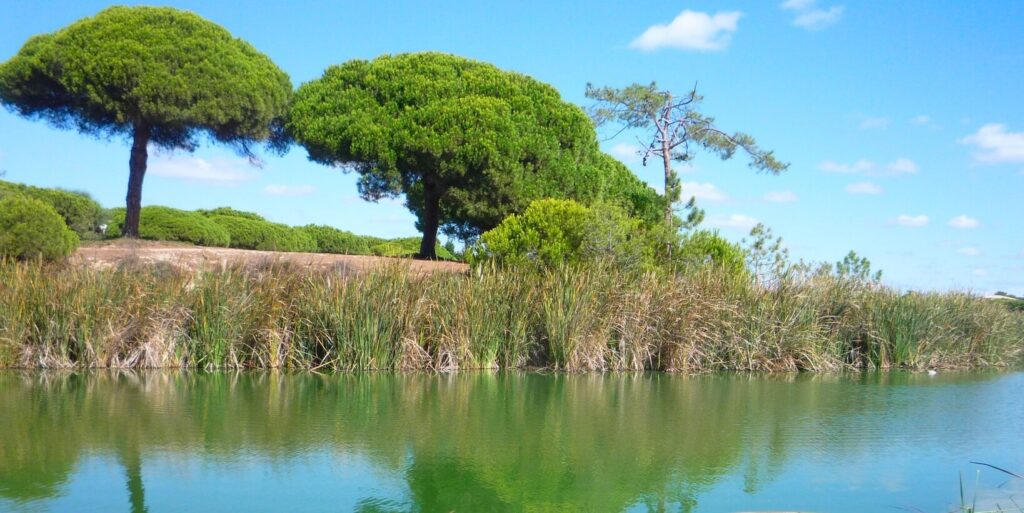
Formosa Nature Reserve – ©Natalia via Creative Commons
Many species of wildlife can be observed in this reserve, particularly Giant Anteater Myrmecophaga tridactyla. There are a large number of birds, both in terms of species and actual individuals.
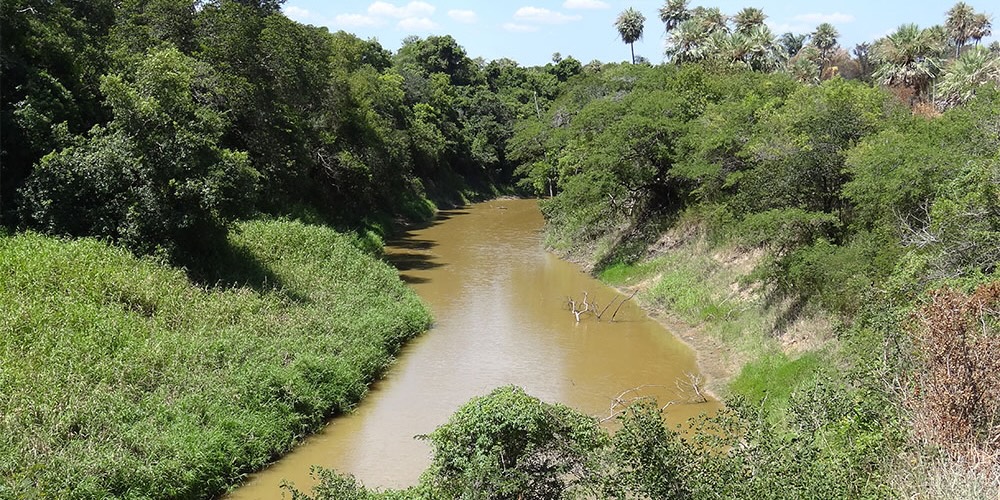
Río Pilcomayo – ©Creative Commons via Wikimedia Commons
There is one national park – the Río Pilcomayo National Park. Covering approximately 500 km2, the park sits along the Paraguay border, where the Río Pilcomayo forms a natural boundary between the two countries. The park is part of the Gran Chaco region, a vast and ecologically significant area known for its diverse habitats, including wetlands, grasslands, and dry forests. The landscape features a mix of meandering rivers, marshes, lagoons, and palm-dotted savannas, creating an environment that supports a remarkable variety of flora and fauna. The Monte Lindo Lagoon is one of the park’s most notable features, attracting birdlife and providing a scenic spot for visitors. The birdlife is particularly striking, with more than 300 species recorded, including herons, Jabiru Stork Jabiru mycteria, kingfishers, and the strikingly pink Roseate Spoonbill Platalea ajaja. The park is also an important habitat for the Crowned Solitary Eagle (aka Chacon Eagle) Buteogallus coronatus, one of the rarest raptors in the region.
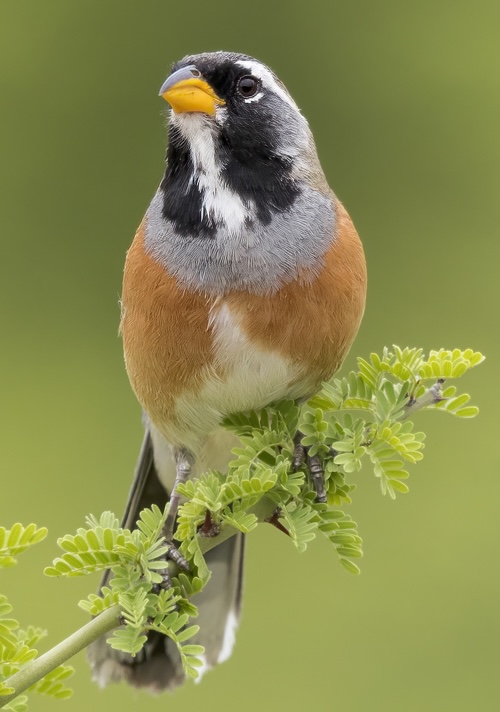
Other sought-after, iconic birds in the province include Black-collared Hawk Busarellus nigricollis, Greater Rhea Rhea americana, Red-legged Seriama Cariama cristata, Many-coloured Chaco-Finch Saltatricula multicolor and Toco Toucan Ramphastos toco, Strange-tailed Tyrant Alectrurus risora and many more.
-
Number of bird species: 504
(As at November 2026)
-
Avibase
PDT ChecklistThis checklist includes all bird species found in Formosa , based on the best information available at this time. It is based on a wide variety of sources that I collated over many years. I am pleased to offer these checklists as a service to birdwatchers. If you find any error, please do not hesitate to report them. -
eBird
PDT ChecklistThis checklist is generated with data from eBird (ebird.org), a global database of bird sightings from birders like you. If you enjoy this checklist, please consider contributing your sightings to eBird. It is 100% free to take part, and your observations will help support birders, researchers, and conservationists worldwide.
-
NP Parque Nacional Río Pilcomayo
InformationSatellite View...Higher lands are inhabited by such mammals as the Gray Brocket, capybara, peccary, howler monkey and puma; birds include chachalacas and rails. The Maned Wolf can be found in the lowlands, along with such birds as the Greater Rhea and seriemas… -
NR Reserva Natural Formosa
InformationSatellite ViewIt occupies 9005 hectares and is located some 55 km from the town of Ingeniero Juárez. On its southern border is the Teuco or Bermejo River. It belongs to the dry Chaco ecoregion. The climate is semi-arid, with little rainfall that occurs during the hot summer (December to March), which is why it is recommended to visit it during the winter (June to September).
-
Formosa Rare Bird Alert
SightingsObservations for last 7 days - The report below shows observations of rare birds in Formosa. Includes both unreviewed and reviewed/approved observations.
-
Tangol
Tour OperatorDiscover the natural beauty of Formosa through excursions to the Bañado La Estrella, Pilcomayo National Park and other spectacular landscapes. -
Trogon Tours
Tour OperatorArgentina’s wet Chaco region spreads through the north easternmost part of the country. This is, by all means, one of the most diverse ecosystems in the Neotropics, with an outstanding diversity of birds, mammals, reptiles, and amphibians, which find suitable habitat to thrive in its vast wetlands, grasslands, savannas, and forests.