

San Luis
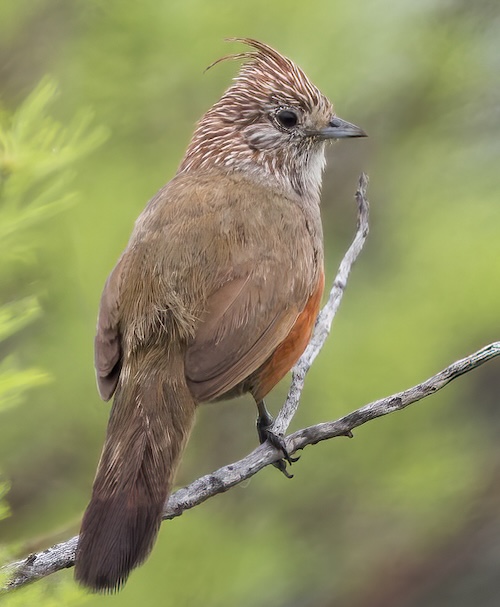
San Luis is one of the twenty-three provinces of Argentina and located near the geographical centre of the country (on the 32º South parallel). Neighbouring provinces are La Rioja to the north, Córdoba to the northeast and east, La Pampa to the southeast and south, Mendoza to the west and San Juan to the northwest. The province covers an area of 76,748 km2 (29,633 square miles) and has a population of around 545,000 people, 170,000 of whom live in the largest city and capital, also called San Luis. The city lies at the foot of the Sierras Grandes on the northern bank of the Chorrillos River.
The province has low sierras in the north neighbouring the Pampas dominated by the San Luis Mountains, and another such system on the west with the Guayaguas, Cantanal, Quijadas and Alto Pencoso Sierras, typical of the Cuyo region. In the central and southern part of the province dry flatlands predominate, and, at the centre there is a depression that forms the Pampa de las Salinas – a great salt lake.
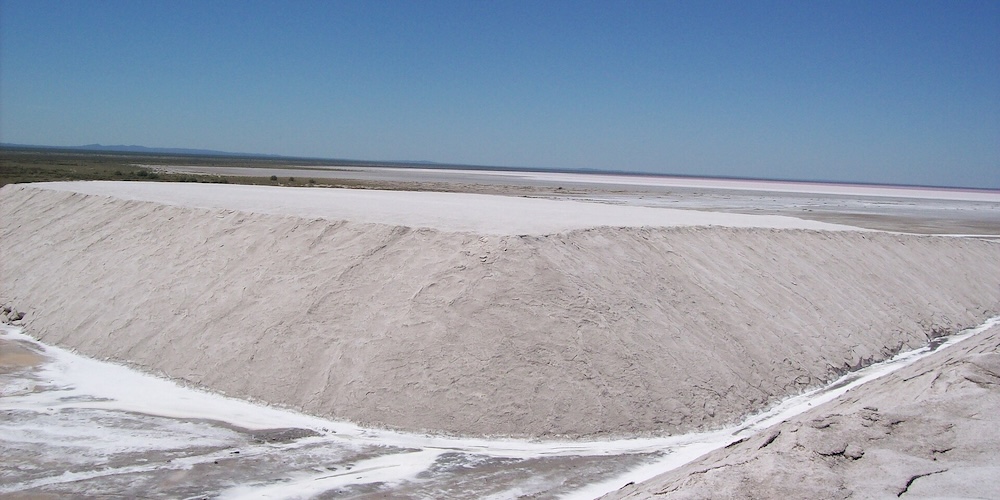
Salinas del Bebedero – ©Darío Alpern CC BY-SA 3.0 via Wikimedia Commons
The main rivers of the province are the Conlara and Quinto, and the border rivers of Desaguadero River and Salado River.
The climate of the province is mostly semi-arid to humid subtropical, featuring hot summers, cool and dry winters, and lower overall precipitation than the eastern Pampa. Even although the weather of the province is temperate to arid, there are numerous areas with milder microclimates, such as Villa de Merlo, where the land is fertile and the air less dry because the eastern slope retains the humidity of the Atlantic Ocean.
Birding San Luis
The province has recorded over 400 bird species and this, and its wonderful scenery, make it a terrific destination for birders and other nature lovers. Sierra de las Quijadas National Park is a prime destination as it features dramatic red rock formations; the dry scrublands are home to regional endemics, sought-after species include the endangered Yellow Cardinal Gubernatrix cristata, Blue-crowned Parakeets Thectocercus acuticaudatus, White-tipped Plantcutter Phytotoma rutila along with typical birds of dry scrubland and rocky slopes such as Crested and Sandy Galitos.
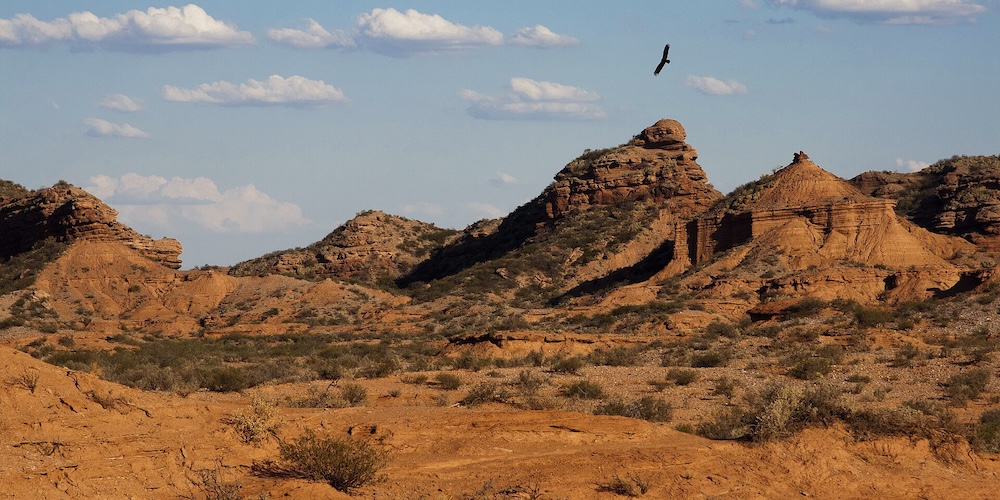
Sierra de las Quijadas National Park – ©Piero Teardo CC BY-SA 2.0 via Wikimedia Commons
Sierra de San Luis and Sierra de los Comechingones provide transition zones for high-altitude and woodland species such as Cream-backed Woodpecker Campephilus leucopogon and the understory specialist Olive-crowned Crescentchest Melanopareia Maximiliani. Southern Screamers Chauna torquata, Chilean Flamingos Phoenicopterus chilensis and various other waterfowl favour lagoons and water bodies or riverine habitat. The El Morro Area (Nnrth of Mercedes) can be a rewarding stopover for dry pampa and grassland birding, including species like the Firewood-gatherer Anumbius annumbi. Rufous Hornero Furnarius rufus, Argentina’s national bird, which builds signature clay oven nests, often on posts in cultivated rural and semi-urban areas.
-
Wikipedia
GNU Free Documentation License
Information
-
Number of bird species: 405
(As at October 2026)
-
Avibase
PDF ChecklistThis checklist includes all bird species found in San Luis , based on the best information available at this time. It is based on a wide variety of sources that I collated over many years. I am pleased to offer these checklists as a service to birdwatchers. If you find any error, please do not hesitate to report them. -
eBird
PDF ChecklistThis checklist is generated with data from eBird (ebird.org), a global database of bird sightings from birders like you. If you enjoy this checklist, please consider contributing your sightings to eBird. It is 100% free to take part, and your observations will help support birders, researchers, and conservationists worldwide.
-
NP Parque Nacional Sierra de las Quijadas
InformationSatellite Viewhe location of the national park in the Chaco – Monte ecotones entails the presence of representative species of both biomes.
-
eBird
SightingseBirding This Month
-
Trogon Tours
Tour OperatorThe central Argentinean provinces of Córdoba and San Luis host some of the most fantastic birding destinations in southern South America and boast some of the most spectacular landscapes in Argentina.
-
eBird
ReportsRecent Trip Reports