

Île-de-France
Located in central northern France, Île-de-France is one of the twenty-two administrative regions of France covering 12,012 km2 (4,638 square miles). It is bordered by the region of Hauts-de-France to the north, Normandy to the northwest, Centre to the south and west, Bourgogne-Franche-Comté to the southeast and Grand-Est to the east. Ninety percent of its territory is covered by the Paris metropolitan area, which even extends beyond its borders in places. With over twelve million inhabitants, it is France’s most populated region. It consists of the Departments of: Paris, Hauts-de-Seine, Seine-Saint-Denis, Val-de-Marne, Seine-et-Marne, Yvelines, Essonne & Val-d’Oise. The traditional Provinces of: Ile-de-France, Orleanais & Champagne.
Around the department of Paris, urbanization fills a first concentric ring of three departments commonly known as the petite couronne ‘small ring’, and extends into a second outer ring of four departments known as the grande couronne ‘large ring’.
Despite the urbanisation, the outer parts of the Île-de-France remain largely rural. Agricultural land, forest and natural spaces occupy almost 80% of the region, although almost 30% of the land is in urban use.
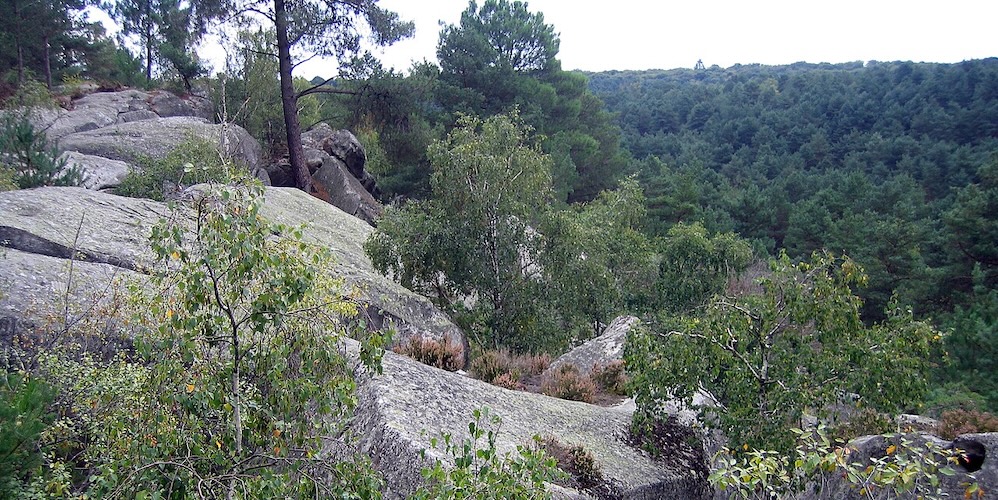
Fontainebleau Forest, Seine-et-Marne – ©Thesupermat CC BY-SA 3.0 via Wikimedia Commons
The River Seine flows through the middle of the region, which is crisscrossed by its tributaries and sub-tributaries, including the Rivers Marne, Oise and Epte. The River Eure does not cross the region but receives water from several rivers in the Île-de-France, including the Drouette and the Vesgre. The major rivers are navigable, and, because of the modest variations of altitude in the region (between 10m and 200m, they have a tendency to meander and curve and also create many lakes and ponds, some of which have been transformed into recreation areas, including Moisson-Mousseaux, Cergy-Neuville and Villeneuve-Saint-Georges.
Slightly less than half of the land is devoted to agriculture; 569,000 hectares were cultivated. The most important crops are grains and grass for grazing.
Birding Île-de-France
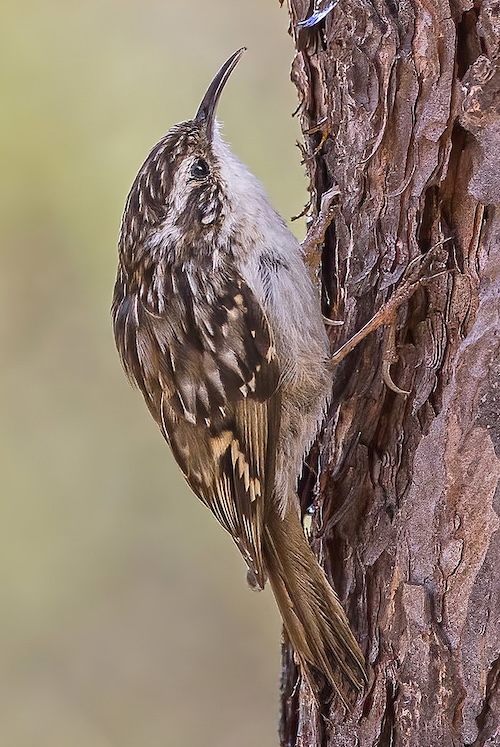
Paris boasts over 400 municipal parks and gardens and more than 250,000 trees. Green spaces such as Parc Montsouris or the grounds of the Cité Universitaire are worth investigating. A winter visit can, for example, record Crested Tit, Nuthatch, Lesser Spotted Woodpecker and Short-toed Treecreeper at Montsouris. Being habituated to people also means they are more approachable. Similarly, the Jardin de Luxembourg can hold winter Hawfinch and, where there is suitable water, you can expect Grey Wagtail and Kingfisher.
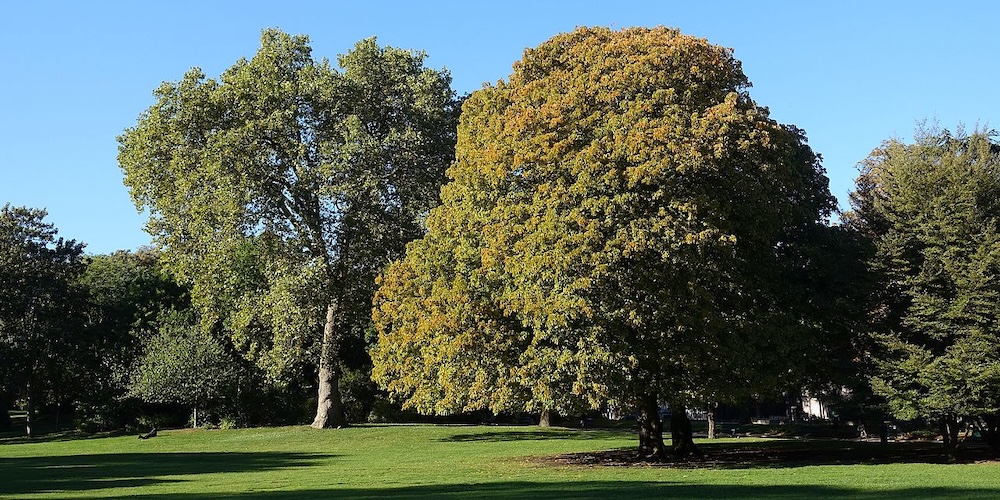
Parc Montsouris – ©Guilhem Vellut CC BY 2.0 via Wikimedia Commons
As in other world cities, less disturbed green areas can be really good, such as the Père Lachaise Cemetery; the final resting place of Chopin, Oscar Wilden and Jimm Morrison. Its 100 acres has some quite thick cover with Firecrest moving through in Spring and Autumn as do warblers and flycatchers and there are some resident woodland species like woodpeckers and treecreepers.
Parc du Beaumonts, on the northeast outskirts of the city can be very productive too. It is an area with woodland, scrub and a pond and 120 species have been recorded there. While it has familiar urban/farmland as resident species it can be a magnet during migrations with everything from passerines to heron and raptors.
The Bois de Vincennes on the southeastern edge of the city is the region’s largest park covering over 1,000 hectares of lakes, woodland and open parkland. It is noted for Middle-spotted and Black Woodpeckers and some of the scarcer farmland passerines.

Étang de Saclay – ©Lionel Allorge CC BY-SA 3.0 via Wikimedia Commons
Areas outside of the city proper are not to be missed such as the Forêt de Fontainebleau (including Vallée de la Solle) that has such sought-after birds as Hoopoe, Wood Lark, Red-backed Shrike and Tree Pipit. The Étang de Saclay is a wetland that is good for migrating ducks, waders, and raptors such as Osprey and Etang du Coq is generally good for water birds including terns in summer.
-
Wikipedia
GNU Free Documentation License
https://en.wikipedia.org/wiki/Île-de-France -
David Lindo
Urban Birder World
-
Number of bird species: 414
(As at May 2026)
-
Avibase
PDF ChecklistThis checklist includes all bird species found in Île-de-france , based on the best information available at this time. It is based on a wide variety of sources that I collated over many years. I am pleased to offer these checklists as a service to birdwatchers. If you find any error, please do not hesitate to report them.
-
CORIF Centre Ornithologique Ile de France
InformationL'ornithologie associative en Ile-de-France est affaire récente. Ce furent d'abord des pionniers isolés dont les travaux - précieux car rares - nous permettent de disposer de quelques références historiques. -
Ligue Pour la Protection des Oiseaux Antenne Ille-de-France
Website136 rue Falgui
-
RNR Haute Vallée de Chevreuse Regional Natural Park
InformationSatelite ViewHaute Vallée de Chevreuse Regional Natural Park is a protected area in the Île-de-France region of northern France. It is a verdant rural area outside Paris, designated as a regional natural park because it contains a wide variety of unique historical sites. -
RNR Parc naturel régional du Gâtinais françai
InformationSatelite ViewBienvenue dans le Parc naturel régional du Gâtinais français. -
RNR Parc naturel régional du Vexin français
InformationSatelite ViewLe parc naturel régional du Vexin français s'étend sur 98 communes des départements du Val-d'Oise et des Yvelines. Il se situe au nord-ouest de Paris, en rive droite de la Seine.
-
Île-de-France Rare Bird Alert
SightingsThe report below shows observations of rare birds in Île-de-France. Includes both unreviewed and reviewed/approved observations.
-
Birdwatching Tour in Vincennes Woods
Local GuideCome and see the unique bird life living in the large woodland park located just east of Paris on a leisurely 3 hour bird walk.
-
Photographer - Marie-France Grenouillet
GalleryAn excellent French Wildlife Photographer - macro shots are stunning!