

State of Rondônia
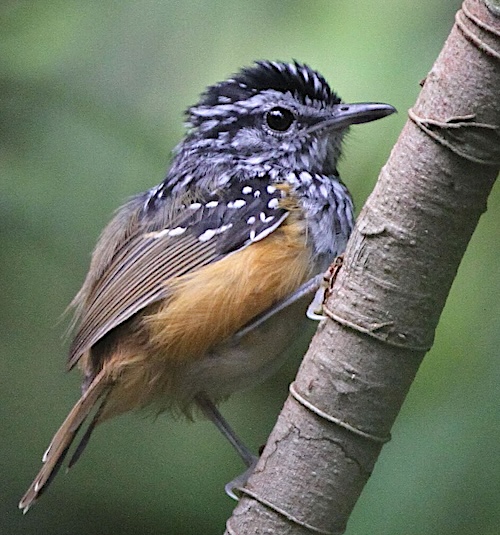
Rondônia is one of the twenty-seven states in Brazil; it is located in the north-western part of the country. It covers an area of 237,754 km2 (91,797 square miles) – about the size of the country of Romania – and has a population of around 1.6 million people. To the west is a short border with the state of Acre, to the north is the state of Amazonas, in the east is Mato Grosso, and in the south is the country of Bolivia. Rondônia‘s capital is Porto Velho which has around half a million inhabitants. The state was named after Candido Rondon.
The state was a territory covered mostly by jungle of the Amazon Rainforest, but about three-fifths of the state has been deforested since intensive settlement and logging began in the 1970s. The majority of its citizens now live in urban areas. There are twenty-one areas set aside for their indigenous inhabitants, although they are still subject to incursion and exploitation.
The Madeira River is the third-largest river in Brazil and a primary tributary of the Amazon, featuring altered rapids due to large hydroelectric projects. However, its basin comprises tens of thousands of square kilometres of seasonally inundated zones essential to the regional ecology.
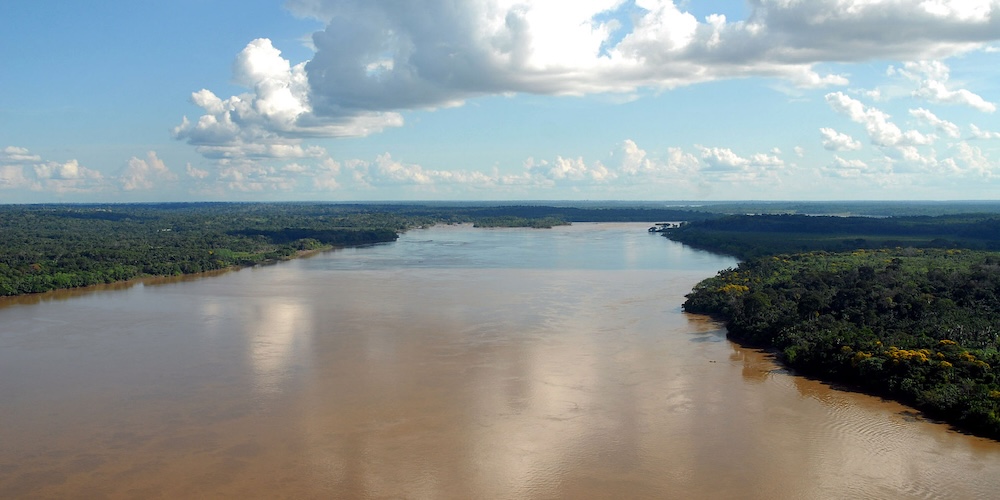
Madeira River – ©Wilson Dias/ABr CC BY 3.0 BR via Wikimedia Commons
The Guaporé River forms a winding natural border with Bolivia and sustains diverse aquatic life and local communities. It is characterised by vast floodplains, which seasonally flood the adjacent forest. The Jamari River feeds the Samuel Hydroelectric Dam reservoir near Porto Velho. There are very many other tributaries and small rivers. One needs to take a boat ride on the Rio Madeira to appreciate that the forest of centennial trees and the fauna of exotic birds is one of the best attractions of the State.
Two thirds of its area is covered by the Amazon Rainforest. Other attractions are the Chapada dos Parecis and the Serra do Pacaás National Park.

Chapada dos Parecis – ©Caio Vilela CC BY-SA 3.0 via Wikimedia Commons
The economy of the state of Rondônia has, as main activities, agriculture, livestock, food industry and vegetal and mineral extraction. It is a main exporter of wood, as well as a significant producer of both coffee and cocoa, it is also an important cattle breeder.
The equatorial climate is a type of tropical climate in which there is no dry season – all months have mean precipitation values of at least 60mm. It is usually found at latitudes within five degrees of the equator – which are dominated by the Intertropical Convergence Zone. Tropical rainforest is the natural vegetation in equatorial regions.
Birding Rondônia
Being part of the Amazonian biome, Rondônia is an exceptionally bird-rich destination. Even the capital boasts an incredible diversity of regional specialties and rare endemics. It is reputed to be the municipality with the highest number of bird species in Brazil, so, even although the primary forest has gone, it is still a great base for exploring local trails, river margins, and surrounding secondary growth. The Jaci-Paraná and Abuña areas along the western routes are best for locating bamboo-specialised species and localised antbirds.
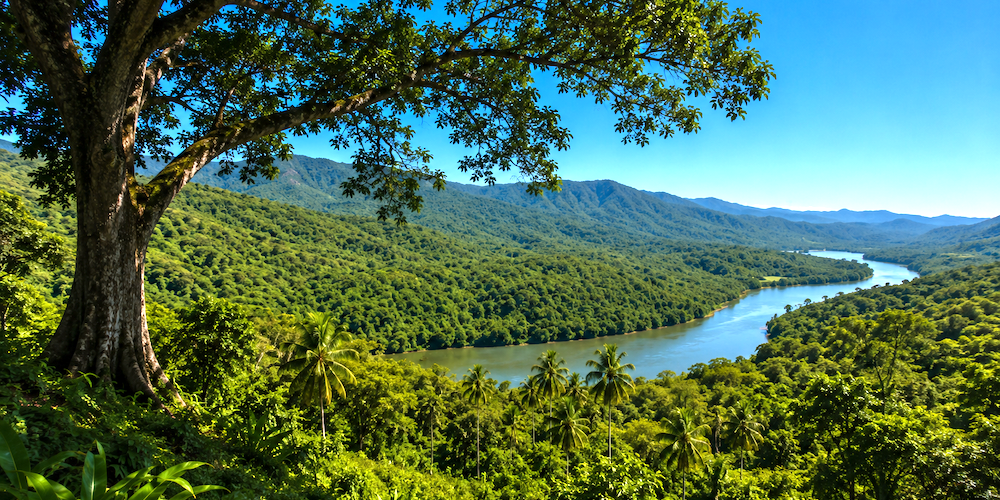
Campos Amazônicos National Park – ©Public Domain via Wikimedia Commons
The Campos Amazônicos National Park features unique transitional habitats and forest-savanna habitats rich in endemics.
Rio Crespo area and the Rio Branco area have excellent birds especially those associated with water like Capped Heron, Brazilian Duck and Wattled Jacana and are good for Harpy Eagle.
Although there are no bird’s endemic to Rondônia, it does hold many Brazilian endemics, particularly those birds endemic to the Amazon Forest and so the area is considered a centre of endemism. Some of the most sought-after birds include Rondônia Bushbird, Chico’s Tyrannulet, White-breasted Antbird, Rufous Twistwing and others that have become symbols of this corner of the Amazon. Other highly sought-after regional birds include Zigzag Heron, Rufous-headed Woodpecker, Black-faced Cotinga, Razor-billed Curassow, Crimson-bellied Parrot, Pale-faced Bare-eye, Predicted Antwren and Rondonia Warbling-Antbird.
-
Wikipedia
GNU Free Documentation License
Information
-
Number of bird species: 979
(As at August 2026)
-
Avibase
PDF ChecklistThis checklist includes all bird species found in Rondônia , based on the best information available at this time. It is based on a wide variety of sources that I collated over many years. I am pleased to offer these checklists as a service to birdwatchers. If you find any error, please do not hesitate to report them. -
eBird
PDF ChecklistThis checklist is generated with data from eBird (ebird.org), a global database of bird sightings from birders like you. If you enjoy this checklist, please consider contributing your sightings to eBird. It is 100% free to take part, and your observations will help support birders, researchers, and conservationists worldwide.
-
Universidade Federal de Rond
Website
-
NP Campos Amazônicos National Park
InformationSatellite ViewThe savanna enclaves are seen by biologists as important in understanding the evolutionary dynamics of the Amazonian biota. There is high diversity of birds. -
NP Mapinguari National Park
InformationSatellite ViewVegetation includes savannah and rainforest (56%), open submontane rainforest (11%) and savannah parkland (9%). 258,000 hectares (640,000 acres) of the savannah portion is subject to forest fires. Some of the savanna is periodically flooded and susceptible to fires in the dry season. -
NP Parque Nacional da Pacaás Novas
InformationSatellite ViewThe park is located within the municipalities of Guajará Mirim, Nova Mamoré, Campo Novo, São Miguel do Guaporé, Monte Negro, Governador Jorge Teixeira, Alvorada d'Oeste and Mirante da Serra, containing an homonymous mountain range…. -
NP Serra da Cutia National Park
InformationSatellite ViewThere are 250 species of birds, 24 species of lizard, 14 species of snakes, two species of alligator, 41 species of amphibians and 143 fish species. The catfish Pimelodella is endemic.
-
eBird
SightingseBirding This Month
-
Agami Nature Tours
Tour OperatorA week at the Pira Açu Lodge, an exciting new destination on the Aripuanã river in the southern Amazon. Rondonia Bushbird, Rufous Potoo, Nocturnal Curassow, Pale-faced Bare-eye, Crimson Fruitcrow and much more... -
Amazon Birdwatching
Local Tour OperatorPorto Velho, Rondônia, is the municipality with the highest number of bird species in Brazil. It is a destination where nature reveals itself in its most exuberant form, featuring hundreds of bird species, unique Amazonian landscapes, and unforgettable experiences for birdwatchers, photographers, and lovers of biodiversity. Here, every trail, river, and forest becomes an invitation to contemplation, sustainable tourism, and connection with the country’s greatest diversity of birds. -
Bird Ventures
Tour OperatorThis trip is an antbird enthusiast’s dream trip, with chances for Rondonia Bushbird, Black-bellied Gnateater, White-breasted Antbird, Undulated Antshrike, Ferruginous-backed Antbird, Alta Floresta Antpitta, Banded Antbird and five newly described antbirds. Add in Blue-headed Macaw, Rufous-headed Woodpecker, Black-faced Cotinga, Bonaparte’s Parakeet, Campina Jay, Chico’s Tyrannulet, Rufous Twistwing, Acre Tody-Tyrant, White-browed Hawk, Cryptic Forest-Falcon, Buff-cheeked Tody-Flycatcher, Snow-capped Manakin, and Orange-fronted Plushcrown, and one has the makings of some of the most exciting forest birding on the planet. -
BirdQuest
Tour OperatorBRAZIL’S SOUTHWEST AMAZONIA – Specialities of Rondônia, southern Amazonas and Acre -
Birding Brazil Tours
Tour OperatorThe Amazon is a staggering 4080 miles long (largest river in terms of discharge) with an incredible 1100 tributaries. With such an abundance of habitat specific birds to find on an Amazonian birding trip it's challenging and needs to be well planned to visit as many of these specific habitats as possible... -
FieldGuides
Tour Operator...The tour starts in Porto Velho, capital of the state of Rondonia, on the east bank of the great Rio Madeira. Thus, we'll jump out of the blocks with three days of birding on the Madeira, longest tributary of the Amazon and a major divider of vertebrate populations in the Amazon basin... -
Ornis Birding Expeditions
Tour OperatorRondonia Bushbird (Chris Venetz) White-throated Antbird (Eduardo Patrial) Pale-faced Bare-eye (Eduardo Patrial) White-breasted Antbird (Eduardo Patrial) Hairy-crested Antbird (Eduardo Patrial) Rufous Twistwing (Chris Venetz) Manu Parrotlet (Chris Venetz) Fulvous-chinned Nunlet (Chris Venetz) Rondonia Warbling Antbird (Chris Venetz) Cryptic Forest Falcon (Chris Venetz) Alta Floresta Antpitta (Chris Venetz) Plain Softtail (Chris Venetz) Crimson-bellied Parakeet (Eduardo Patrial) Red-and-black Grosbeak (Chris Venetz) Rufous-headed Woodpecker (Chris Venetz) Black-faced Cotinga (Chris Venetz) Orinoco Goose (Chris Venetz) Purus Jacamar (Eduardo Patrial) Black-masked Finch (Chris Venetz) Campina Jay (Eduardo Patrial) Emperor Tamarin (Eduardo Patrial) Rondonia Bushbird (Chris Venetz) White-throated Antbird (Eduardo Patrial) Pale-faced Bare-eye (Eduardo Patrial) White-breasted Antbird (Eduardo Patrial) Hairy-crested Antbird (Eduardo Patrial) Rufous Twistwing (Chris Venetz) Manu Parrotlet (Chris Venetz) Fulvous-chinned Nunlet (Chris Venetz) Rondonia Warbling Antbird (Chris Venetz) Cryptic Forest Falcon (Chris Venetz) Alta Floresta Antpitta (Chris Venetz) Plain Softtail (Chris Venetz) Crimson-bellied Parakeet (Eduardo Patrial) Red-and-black Grosbeak (Chris Venetz) Rufous-headed Woodpecker (Chris Venetz) Black-faced Cotinga (Chris Venetz) Orinoco Goose (Chris Venetz) Purus Jacamar (Eduardo Patrial) Black-masked Finch (Chris Venetz) Campina Jay (Eduardo Patrial) Emperor Tamarin (Eduardo Patrial) Brazil: South-West Amazonia Specialities of the little-visited but bird-rich Rondonia, Inambari and Acre regions.
-
2018 [07 July] - Eduardo Patrial
PDF ReportOnly in its second edition, the Brazil’s Southwestern Amazonia has now consolidated a much improved two weeks itinerary with a fantastic selection of Amazonian range-restricted species from the Rondonia and Inambari centres of endemism, the both sides of the great Rio Madeira in the states of Rondônia, Amazonas and Acre -
2019 [07 July] - Bradley Davis
PDF ReportWe saw some of the most-wanted birds, and some of the least-known birds of the Amazon rainforest. During the trip we recorded 606 species of birds, with just a short list of the highlights including Harpy Eagle (twice), Ocellated Crake (see cover photo), Crimson Topaz, White-throated Jacamar, Collared Puffbird, Rufousnecked Puffbird, Semicollared Puffbird, Lemon-throated Barbet, Curl-crested Aracari, Varzea Piculet, Rufous-headed Woodpecker, Red-fan Parrot, Blue-headed Macaw, Parker’s Spinetail, Hoffmanns’s Woodcreeper, Zimmer’s Woodcreeper, Long-billed Woodcreeper, Black-throated Antshrike, Undulated Antshrike, Glossy Antshrike, Pearly Antshrike, Rondonia Bushbird, Cherrie’s Antwren, Manu Antbird, Rufous Twistwing, Buff-cheeked Tody-Flycatcher, Acre Tody-Tyrant, Guianan Cock-of-the-Rock, Guianan Red-Cotinga, Capuchinbird, Black-faced Cotinga, Pompadour Cotinga, White-throated Manakin, Wiretailed Manakin, Campina Jay, Musician Wren, Wing-banded Wren and Black-masked Finch. -
2025 [06 June] - Caio Brito
PDF ReportThe forest was waking up, and we listened to the morning chorus — parakeets like Yellow-chevroned (Brotogeris chiriri), Dusky-headed (Aratinga weddelli), and Golden-winged Parakeets (Brotogeris chrysoptera), along with a few herons and other wetland birds. From the forest came the calls of Barred Forest-Falcon (Micrastur ruficollis) on the right side of the road and Slaty-backed Forest-Falcon (Micrastur mirandollei) on the left. A good start with the Forest Falcons, at least by ear — getting to these forest patches early always pays off, since many species only vocalize during this brief window. -
2025 [07 July] - David Van den Schoor
PDF ReportAll in all we had a very successful trip and most of the expected targets were found! Some of the mouth-watering amongst the 547 species recorded included: Nocturnal Curassow, Silky-tailed Nightjar, Rufous, Long-tailed and White-winged Potoo, Red-billed Ground Cuckoo, Ocellated Crake, Dark-winged Trumpeter, Zigzag Heron, Harpy Eagle, White-browed Hawk, Pavonine Quetzal, Purus and White-throated Jacamar, Chestnut-capped, Spotted, Collared, Semicollared and Rufous-necked Puffbird, Rusty-breasted, Fulvous-chinned and Chestnut-headed Nunlet... -
2025 [08 August] - Eduardo Patrial
PDF Report...Among them were iconic species such as Zigzag Heron, Razor-billed Curassow, Long-tailed, Whitewinged and Rufous Potoos, Ocellated Crake, White-browed Hawk, Purus and White-throated Jacamars, Collared, Brownbanded, Chestnut-capped and Rufous-necked Puffbirds, Fine-barred and Rufous-breasted Piculets, Rufous-headed Woodpecker, Crimson-bellied Parakeet, Blue-headed Macaw...
-
Pakaas Palafitas Lodge
AccommodationThere are many options for trips from the resort. These include a variety of ecotourism diversions, forinstance: forest trails, boat trips, fishing trips, river beaches, bird-watching, close safe encounterswith crocodilians, trips to nearby lakes, trips to indigenous communities etc. During all of theseexcursions, one is always surrounded by the life of the jungle. This life includes a huge variety of faunaand flora: e.g. monkeys, peccanies, agoutis, armadillos, sloths, macaws, parrots, river dolphins,reptiles, butterflies, orchids, bromeliads, palms, hardwood trees, vines etc. There is also anobservation tower which is 20 mts high.