

Alentejo
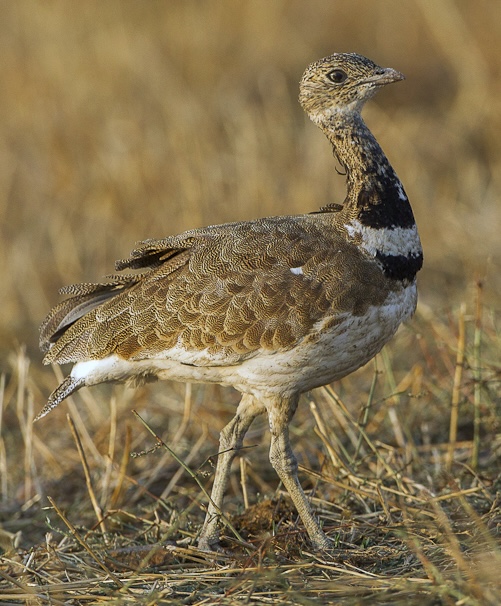
Alentejo is a geographical region of Portugal. In Portuguese its name means “beyond the Tagus”. It covers an area of 27,272 square kilometres (10,530 square miles) which is almost 30% of the nation and yet it has a population of only around 5% of Portugal’s at around 540,000 people. It is bordered by the Portuguese regions of the Algarve to the south, Lisbon to the west, Centro to the north and west, and the country of Spain to the east. Évora is the administrative capital and largest city. Locally known as the New Museum City, it’s a UNESCO World Heritage Site featuring a Roman temple, medieval walls and a Gothic cathedral.
The countryside varies from rolling plains in the south of Alentejo to the granite hills that border Spain in the northeast. It is an arid area and many dams have been constructed, including the most notable, the Alqueva Dam. The soft rolling hills and plains with shrubs and native cork oaks predominate, interspersed with olive trees and grapevines in cultivated areas, as well as more recently planted eucalyptus trees. Managed oaks are locally known as montadas. In the north, the economy is more typically based on livestock, including cattle, sheep and pigs, whereas to the south, agriculture is more predominant.
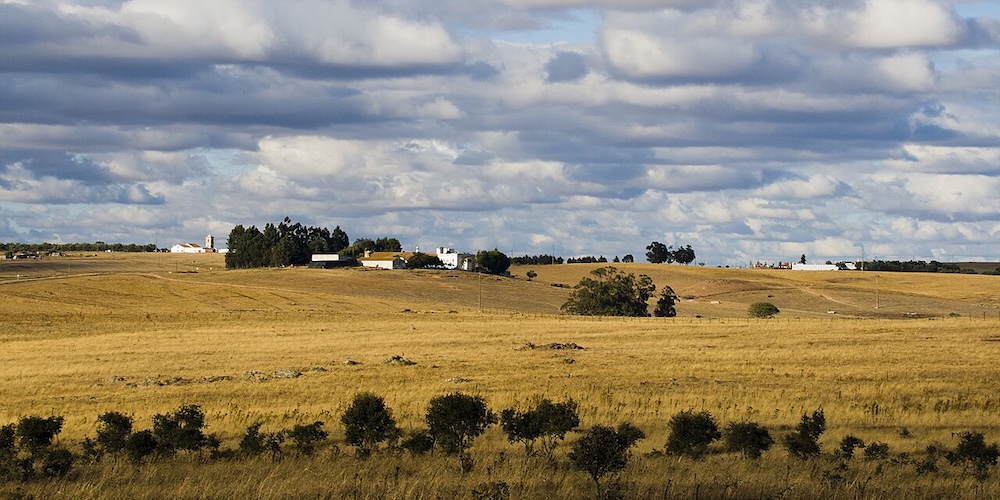
Typical Alentejo Landscape – ©Digitalsignal CC BY-SA 3.0 via Wikimedia Commons
There are a number of protected areas in the region. Parque Natural da Serra de São Mamede, is a nature park area located to the east of Portalegre, and includes medieval villages. In the south, near Mértola, there is another nature park area, Parque Natural do Vale Guadiana. This is more sparsely inhabited than the former. To the west, the coastal strip that runs from the port of Sines down to Cape St. Vincent comprises the Southwest Alentejo and Vicentine Coast Natural Park.
Birding Alentejo
The Alentejo is huge; comprising fully one third of mainland Portugal, it is extremely sparsely populated and stretches from the River Tagus in the north down to the high, tangled hills bordering the Algarve in the south, and from the west coast all the way to Spain. The population is friendly and driving is easy on good roads, though as the distances are so large it pays to have a guide. For the wealth of top class birding it holds. it is still surprisingly under-birded. Predominantly flat, gently undulating plains, covered in old Cork Oak forests and wheat fields, there are however some surprisingly mountainous areas and the bird life, and nature in general, has a diversity that mirrors these changing habitats.
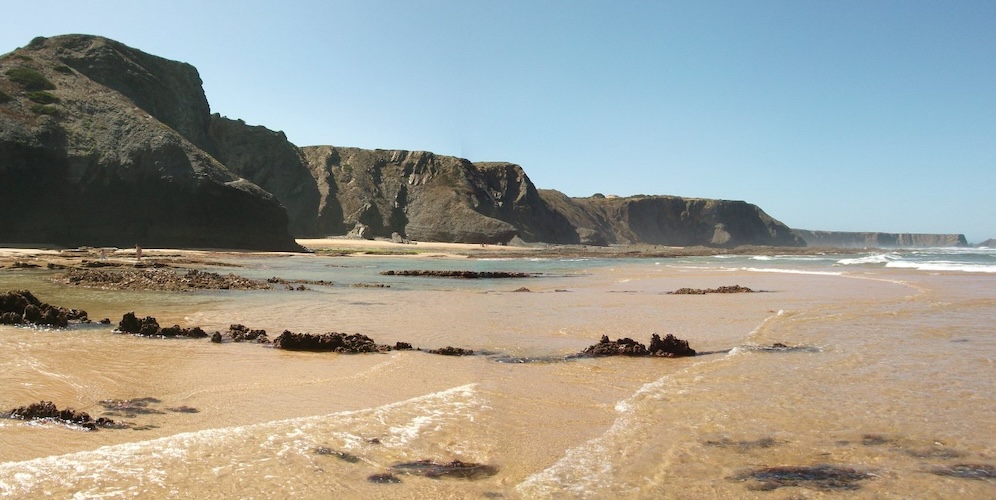
Praia da Costa Vicentina – ©Paula F Souza CC BY-SA 4.0 via Wikimedia Commons
Though sometimes cold during the winter, during the summer the interior can become really quite warm with the temperatures reaching regularly into the 30’s; with rainfall rare for six months of the year, water is scarce everywhere and small dams abound in the constant attempt to keep livestock alive through the gruelling summers. If you want to go birding here between June and September it’s best to be an early riser, if only to beat the heat haze! However, the Autumn and Winter are good birding periods and there are few places in the Western Palearctic to rival the Alentejo for the Spring Migration.
From October through to February there are many species that over-winter here from northern latitudes and massive flocks of Lapwings, Wood Pigeons and Golden Plovers abound in the interior while on the salt pans and rice paddies near the coast there is a wealth of waders and waterbirds in general.
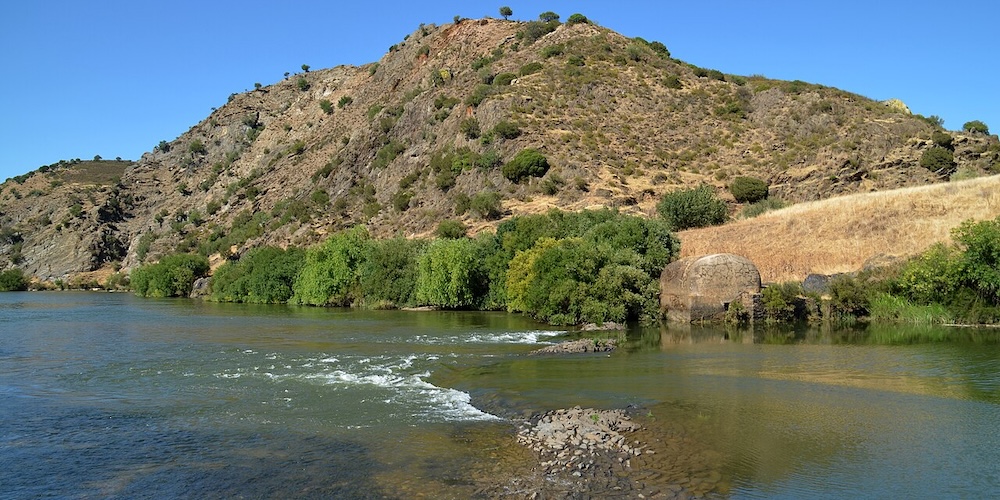
Parque Natural do Vale do Guadiana – ©Aabasch CC BY-SA 4.0 via Wikimedia Commons
That jewel in the Alentejo’s crown, the Spring Migration, takes place during March, April and May and it’s at this time of the year that the place really shines. With such a small human population, and relatively little pesticide or herbicide use, insects and wild flowers abound, and there are huge splashes of colour across the landscape, reds, blues, yellows and purples all set within a dazzling green; it’s this, just as much as the warm, sunny weather, total peace and quiet and wealth of species which makes the birding experience here during these months a particularly memorable one. Flagship species of the Alentejo include Great Bustard, Little Bustard, Stone Curlew, Montagu’s Harrier, Bonelli’s Eagle, Scops Owl, Purple Swamp Hen, Black-winged Kite, and Azure-winged Magpie amongst many others.
-
Castro Verde plains
Satellite ViewIn the heart of the Alentejo province, this area of vast rolling plains is famous for its steppe birds.
-
Frank McClintock
Alentejo | info@paradiseinportugal.com
Website
-
Number of bird species: 382
(As at May 2026)
-
Avibase
PDF ChecklistThis checklist includes all bird species found in Alentejo , based on the best information available at this time. It is based on a wide variety of sources that I collated over many years. I am pleased to offer these checklists as a service to birdwatchers. If you find any error, please do not hesitate to report them.

-
Birds of the Algarve and Southern Alentejo
| (An Annotated Checklist) | By Gonçalo Elias | Gonçalo Elias | 2016 | Paperback | 98 pages, 1 b/w map | ISBN: 9781517497811 Buy this book from NHBS.com -
Finding Birds in South Portugal - Booklet
| By Dave Gosney | Easybirder | 2013 | Paperback | ISBN: 9781907316401 Buy this book from NHBS.com -
Finding Birds in South Portugal - DVD
| By Dave Gosney | Easybirder | 2013 | Easybirder | DVD | Runtime: 78 min | ISBN: 9781907316418 Buy this book from NHBS.com
-
Portuguese Society for the Study of Birds (SPEA)
WebsiteFrom the Azores Bullfinch to the Tagus Estuary, we work to protect birds and the unique habitats they depend on. Thanks to the support of our members, volunteers and partners, we monitor populations, restore habitats, remove invasive species, push for better laws, fight environmental crime and much, much more.
-
IBA The Sado Estuary
InformationSatellite ViewThe River Sado is born in the Serra da Vigia, near Beja, and winds its way across the plains of the Alentejo, travelling 180 km north until they flow into the sea near Setúbal. The river’s estuary commences close to Alcácer do Sal, a highly fertile humid zone, where the landscape is marked by rice fields, cultivated in platforms, and nests of white storks, perched on top of church towers or electricity pylons. -
NR Parque Natural do Vale do Guadiana
InformationSatellite View -
NR Southwest Alentejo and Vicentine Coast Natural Park (PNSACV)
InformationSatellite ViewIt occupies an area of 895.7 km2 (345.8 sq mi) (605.8 km2 (233.9 sq mi) on land and 289.9 km2 (111.9 sq mi) at sea) and is one of the last strongholds of the wild European coast. On the border from Algarve.
-
Almodovar Birding
Tour OperatorStay in Almodôvar for 6 nights with a 3-day tour of the unique grassland steppe habitats, focusing on spotting Great Bustards and Spanish Imperial Eagles. -
Birding in Portugal
Local Tour OperatorBirding-in-portugal.com blends guided birdwatching throughout southern Portugal with a centralised location in a sparsely populated region of unique beauty. It's aim is to let you see the birds and countryside you wish to see and as much of them and it as possible, directing or taking you to places normally unfrequented by tourists. With its wealth of experience and flexibility of outlook it aims to satisfy any visitor to this wonderful region, whether they wish to have a guide or simply to birdwatch on their own… -
Birdwatch in Alentejo
Local Tour OperatorAll year round birdwatching guiding…. -
Birdwatching-Algarve
Local Tour OperatorLiving in Central Algarve, right next to the beautifull Ria Formosa Natural Park, we can guide you through all Southern Portugal.Tours can be tailored to your individual needs -
Naturetrek
Tour OperatorBirding & Stargazing in Rural Alentejo - A 7-day holiday to Portugal's remote Alentejo region, enjoying the birds, landscapes and fascinating culture by day, and some of Europe's most spectacular night... -
Salva Fauna
Day TripA full day birdwatching in peaceful Alentejo -
Visit Portugal Birdwatching
Local Tour OperatorShort-break birdwatching in Lisbon Estuaries & Alentejo... -
Wildlife Worldwide
Tour OperatorOn this birdwatching holiday to the Algarve & Alentejo in Portugal highlights include raptors, bee-eaters, hoopoe, azure-winged magpie and white stork.
-
2001 [03 March] - SNP Natuurreizen
PDF ReportDuring our stay in Portugal we had windy and rainy weather. At least some rain occurred during most of the walks. Due to heavy rain almost no birds were seen in Cerro de Monchique. -
2019 [06 June] - David Bradnum - Seville and the Alentejo
PDF ReportThis was a short, low-cost birding break to Spain and Portugal. We had two aims: to see a handful of late-arriving spring migrants – White-rumped Swift, Western Olivaceous Warbler and Rufous-tailed Scrub-robin – and to enjoy as many as possible of the local specialities on the Castro Verde plains and the Rio Guadiana valley. -
2021 [10 October] - Steve Shunk
PDF Report...Our timing was excellent, at the peak of fall migration, and though we saw plenty of songbirds, the water birds and raptors stole the show—except for the daily Hoopoes and Sardinian Warblers, of course! In all, we found 21 raptor species (including owls) and 26 different shorebirds... -
2024 [06 June] - Erik Kleyheeg - Southern Portugal
PDF ReportThis trip report is limited to an annotated bird list of the 96 species we observed, illustrated with some photos of the trip. The species are ordered according to the latest IOC world bird list and for each species the English, Dutch and scientific names are given. Per species, we very briefly describe our impression of its occurrence in southern Portugal and where we observed them. -
2024 [10 October] - Hans-Peter Bieri & Michael Widmer - South Portugal
PDF ReportTouring mostly in the Algarve
-
Monte Horizonte Holiday Cottage - Santiago do Cac
AccommodationMonte Horizonte Holiday is located in the wonderful Alentejo region of Portugal at only 15 minutes from the beach and just five minutes of the historic city Santiago do Cac -
Quinta do Barranco da Estrada
AccommodationJust north of the Algarve, in some of the most remote and unspoilt countryside in Europe, lies Quinta do Barranco da Estrada, a small oasis on the shores of a vast freshwater and mosquito-free lake. It nestles in the wild hills of the lower Alentejo -
Santa Clara-a-Velha
AccommodationWild beauty and hundreds of birds on the shore of a freshwater lake. Frank and Daniella look after you in a homely, fuss free way
-
Birdwatching Alentejo Portugal
InformationAlentejo Birdwatching is an informative site regarding birds in the Alentejo region of Portugal
-
Frank McClintock - Birding in Portugal
BLOGPrécis of the Census of Common Birds Report for the period 2004 - 2023