

La Rioja
La Rioja is a landlocked province and autonomous community of northern Spain covering 5,045 km2 (1,948 square miles) with a population of around 325,000 people. Its capital is Logroño where almost two thirds of the people live. Other cities and towns in the province include Calahorra, Arnedo, Alfaro, Haro, Santo Domingo de la Calzada, and Nájera. The region is bordered by the Basque Country to the north, Navarre to the northeast and east, a tiny border with Aragón to the southeast and everywhere else by Castile et León.
The Río Ebro runs steeply for 120 km through this region, as does the Río Oja, for which the province is named. Seven river valleys run from the mountains to the Ebro. They are, from east to west, the Alhama, Cidacos, Leza, Iregua, Najerilla, Oja and Tirón. All the rivers of these valleys form tributaries that go on to form many valleys in their own right, such as those of Linares, Ocon, Jubera, Tuerto, Brieva, Viniegras and San Millán. Their spectacular canyons, such as Aguas Buenas, Nieva, Manzanares, Ardancha, Navajún, Valderresa, Ollora, Tobia, San Martín and others create extremely scenic landscapes.

Confluence of Rivers Ebro & Iregua near Logroño – ©Bea.miau, CC0, via Wikimedia Commons
Mountains extend along the south of the Ebro River, parallel to it at a distance of about 40 to 60 km, with altitudes ranging between 3,300 and 6,600 feet. From the mountain range the Sierra de la Demanda runs northwards, into the heart of La Rioja, incorporating Monte San Lorenzo which, at 7,451 feet, is the highest peak in the province. Other mountains include Sierra de Camero Viejo, Sierra de Camero Nuevo, Sierra de Cebollera, and Picos de Urbión.
The climate is mainly Mediterranean. The Rioja Alta comarca receives more precipitation than Rioja Baja. The average temperature ranges from 11.8°C – 31.8°C and the precipitation ranges between 12 to twenty inches as an annual average. The prevailing wind, called ‘Cierzo’, blows very frequent around La Rioja during the winter.
Birding La Rioja
In the highlands, oaks, beech and pine grow, along with thickets of juniper, boxwood, sloe, holly and cistus. Thyme, rosemary, common juniper, and holm oak are also present. There are wide hillsides with pasture used for livestock, particularly cattle and sheep. In the lower areas there are oaks, olive and almond trees. Near the Ebro, in the plains, the land is used for cereal, sugar beet and potatoes, while the hills are covered with vast vineyards of the wine that has brought worldwide fame to this region. La Rioja’s rivers, including the Ebro, tend to have a row of poplars and cottonwood along their banks.
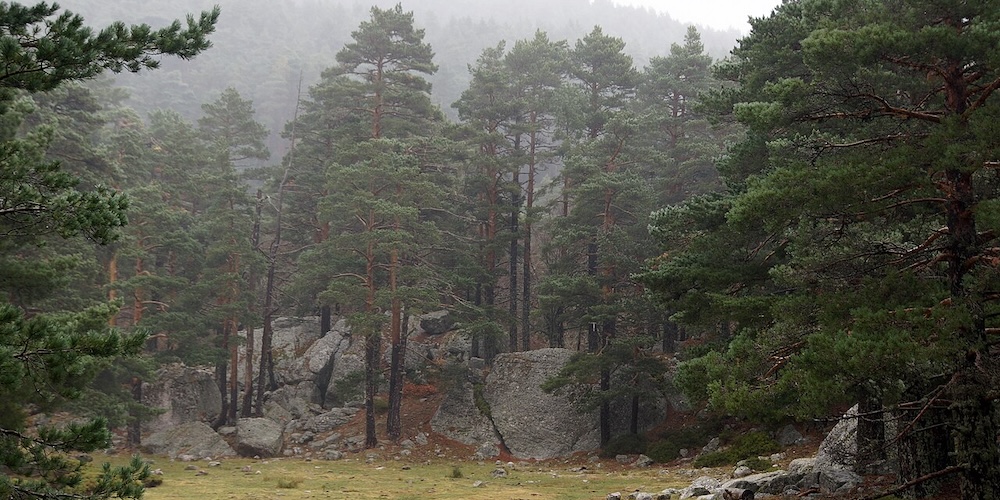
Laguna Negra – Sierra de Cebollera Natural Park- ©DagafeSQV CC BY-SA 4.0 via Wikimedia Commons
This protected area of Sierra de Cebollera Natural Park is home to some of the best examples of woodlands in the Iberian mountain range. These include natural forests of Scots pine, beech and oak, as well as birch, sessile oak, mountain holm oak and black pine. Some areas have linden trees, maples, rowans, mountain elms, yews, aspen and ash. The flora is primarily arboreal, montane and riverine; mammals include fox, wild boar, various deer, squirrels and wildcats in the forests, and otters and Pyrenean desman in the rivers.
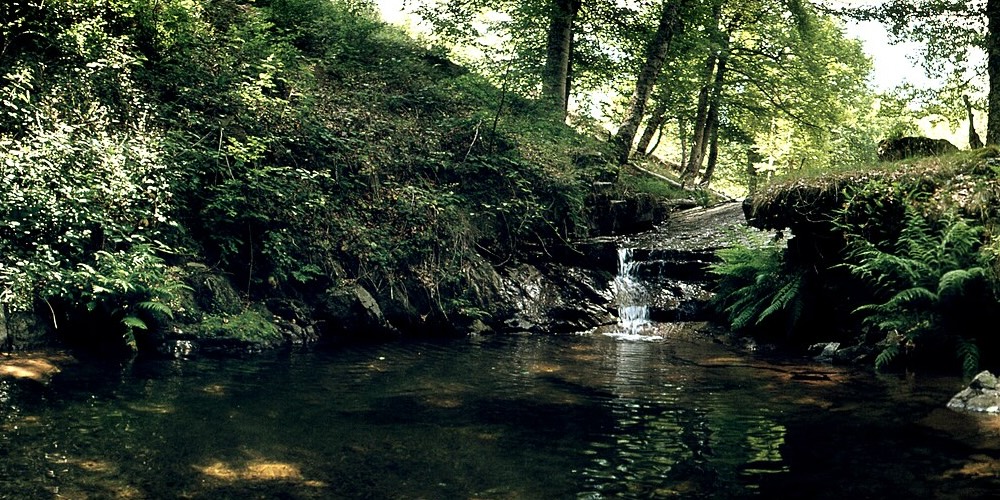
Río Rabanera en Ajamil de Cameros – ©LBM1948 CC BY-SA 4.0 via Wikimedia Commons
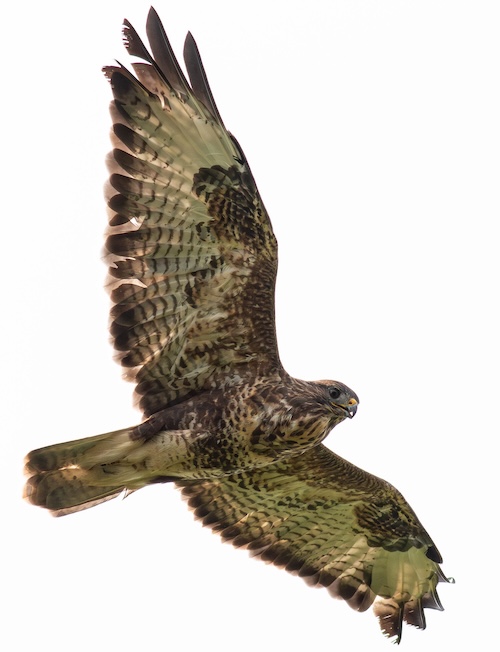
There are numerous species of forest birds of prey, including Goshawk, Sparrowhawk, Honey Buzzard, Booted Eagle, Common Buzzard and Short-toed Eagle. Nocturnal birds such as Long-eared and Tawny Owl are also seen.
The mountain range is considered an area of international importance for the passage of migratory birds.
-
Wikipedia
GNU Free Documentation License
https://en.wikipedia.org/wiki/La_Rioja_(Spain)
-
Number of bird species: 308
(As at April 2026)
-
eBird
PDF ChecklistThis checklist is generated with data from eBird (ebird.org), a global database of bird sightings from birders like you. If you enjoy this checklist, please consider contributing your sightings to eBird. It is 100% free to take part, and your observations will help support birders, researchers, and conservationists worldwide.
-
BR Arnedillo Reserva de la Biosfera
InformationSatellite ViewThe Peñas de Leza and Jubera are declared as a Special Bird Protection Area (ZEPA). Therefore lovers of birds of prey can especially enjoy the colonies of Griffon vultures. The Peñas de Arnedillo (Cidacos Valley) and the Fuentestrún Canyon (Alhama Valley) and the Griffon Vulture Observatory are excellent places to watch them. -
NR Sierra de Cebollera
InformationSatellite ViewThere are numerous species of forest birds of prey, such as the goshawk, the sparrowhawk, the honey buzzard, the booted eagle, the common buzzard and the short-toed eagle. Nocturnal birds can also be observed such as the long-eared owl and the tawny owl. The sierra is considered to be an area of international importance for the passage of migratory birds.
-
eBird
SightingseBirding This Month
-
Birding Basque Country
Local Tour OperatorAt BIRDING BASQUE COUNTRY, we are passionate birdwatchers and naturalists based in the Basque Country, offering customized birdwatching day trips and holidays throughout the Basque Country and surrounding areas. We depart from San Sebastián, Bilbao, Vitoria-Gasteiz, or any other location in the region that suits you.
-
Nature in La Rioja
InformationLa Rioja , in northern Spain, is a land of vineyards and wine, art and culture, and, of course, countryside. You will love the variety of its landscapes. Here you will find Mediterranean forests along with high mountain landscapes that rapidly give way to semi-arid areas with an almost lunar look to them. Water will accompany you on many routes - there are seven rivers in this Region. There are many ways to discover the countryside of the La Rioja Region. These are a few of them.