

By Barry Ramdass Avian Naturalist Tropical Tours
Tucked just off the coast of South America, Trinidad is one of the Caribbean’s most exciting and dynamic birding destinations. With over 500 recorded species — and counting — this small island continues to surprise even seasoned birders. Its unique geographic position, lying just seven miles from Venezuela, makes it a remarkable crossroads where South American resident species meet North American migrants and the occasional rare vagrant.
Each year during the northern winter season, Trinidad welcomes a wave of migratory visitors escaping the cold. Warblers such as the Cerulean Warbler, Prothonotary Warbler, Black-and-white Warbler, and Ovenbird arrive to spend the season in our tropical forests and wetlands. With every passing year, new species are recorded, reinforcing Trinidad’s reputation as a hotspot for avian diversity.
But migration is not limited to woodland songbirds. Trinidad’s coastline and mudflats become staging grounds for impressive numbers of shorebirds. Species such as the Black-bellied Plover, Red Knot, and Semipalmated Sandpiper gather along tidal flats and coastal lagoons, feeding and refueling during their long journeys. These migrants often travel thousands of miles, and Trinidad provides a critical wintering habitat within the tropical belt.
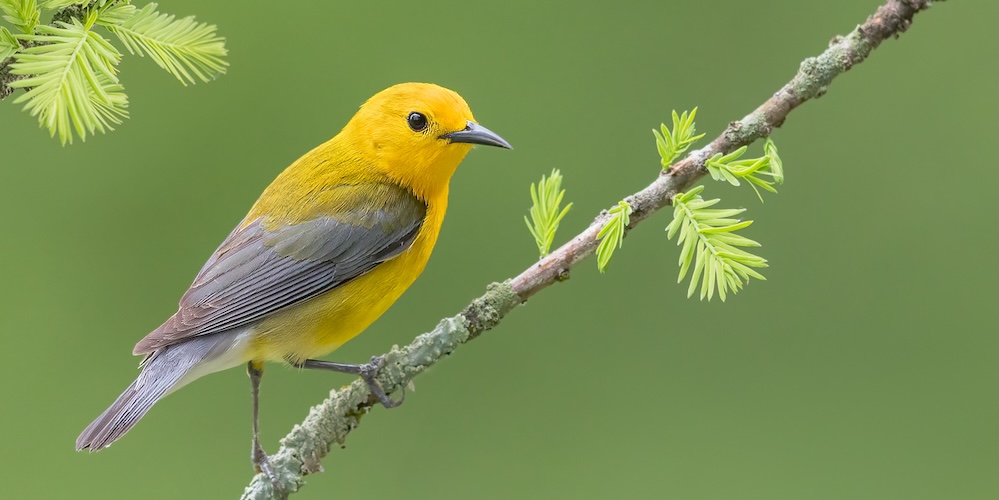
Prothonotary Warbler Protonotaria citrea ©Dubi Shapiro
Wading birds also add to the spectacle. The elegant Reddish Egret is a prized sighting for visiting birders, its energetic feeding behavior making it one of the most entertaining herons to observe. Along the same coastal stretches, herons, egrets, and ibis patrol the shallows, while gulls and terns sweep overhead.
One of the most exciting developments in recent years has been the nesting of the American Flamingo. These striking birds, once considered irregular visitors, have now established breeding activity on the island — a significant milestone in Trinidad’s ornithological history. Their presence highlights the ecological importance of our wetlands and protected coastal habitats.
Raptors also draw international attention. The elusive Ornate Hawk-Eagle has become something of a celebrity among birders and photographers. In the mountains above Arima, patient observers have been rewarded with sightings of this powerful forest eagle. Watching it glide above the canopy or perch silently in the Northern Range is a truly unforgettable experience.
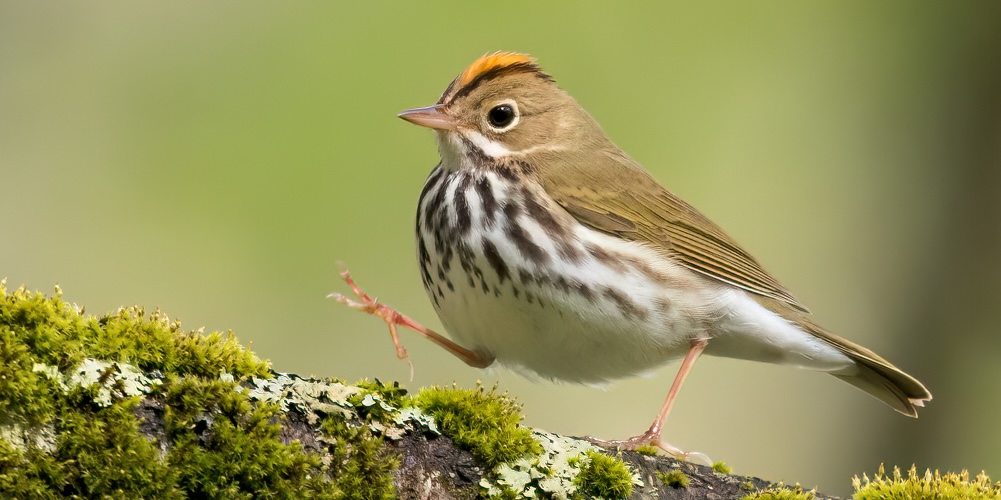
Ovenbird Seiurus aurocapilla – ©Dubi Shapiro
Trinidad’s habitats are incredibly diverse for such a compact island. The Arima Valley alone hosts nearly 200 species. Lush forests, rivers, and foothills create ideal conditions for toucans, trogons, manakins, antbirds, and an astonishing variety of hummingbirds. The development of dedicated hummingbird feeding stations throughout the valley has expanded opportunities for close observation and photography, demonstrating how responsible eco-tourism can complement conservation.
Wetland ecosystems are equally productive. The Caroni Swamp remains one of the island’s flagship birding locations, supporting well over 120 species. This mangrove-lined estuary is world-renowned for its roosting flocks of Scarlet Ibis, Trinidad and Tobago’s national bird. Beyond the ibis, Caroni supports raptors, kingfishers, waterfowl, and seasonal migrants that make every visit unique.
Further east lies the Nariva Swamp, the island’s largest freshwater wetland and a designated Ramsar site. Together with the nearby Bush Bush Wildlife Sanctuary, the area supports more than 120 bird species. Here, birders can encounter a mixture of forest edge, savannah, and marsh species — from woodcreepers and antshrikes to whistling herons and other exciting seasonal visitors.
Coastal mudflats and agricultural areas also play a crucial role in Trinidad’s growing birding appeal. The mudflats and fishing depots at Waterloo and Brickfield, along with the Caroni rice fields, are among the most sought-after locations during migration. These open habitats attract shorebirds in impressive concentrations and provide excellent opportunities for photography and detailed study. For local birders, these areas signal the true beginning of the birding season — when scopes line the shore at sunrise and anticipation runs high.
Trinidad’s birding season typically begins as early as October and can extend through mid-June. During this period, North American migrants settle into the tropical landscape, sharing forests, wetlands, and coastlines with our resident South American species. The blending of avifauna from two continents creates an experience few Caribbean islands can match.
As a birder and field naturalist for over 30 years, I have observed the steady growth of interest in Trinidad as a premier birding destination. International visitors are drawn not only by the diversity — over 500 species — but also by the accessibility of habitats. Within a short drive, one can move from mangrove swamp to mountain forest, from freshwater marsh to coastal mudflat.
Perhaps what makes Trinidad truly special is the constant sense of discovery. New migrants are recorded. Rare vagrants appear unexpectedly. Breeding behaviors shift and expand. Even familiar locations can deliver surprises on any given morning.
From flamingos tinting wetlands pink at sunset to shorebirds crowding the mudflats at low tide, Trinidad offers birders a dynamic and rewarding experience. For those seeking both tropical residents and northern migrants in one compact and vibrant destination, Trinidad stands as one of the Caribbean’s most compelling avian frontiers.