

An Introductory article by Barry Ramdass
Set just off the coast of Venezuela, Trinidad and Tobago occupies a unique position where South American biodiversity meets Caribbean culture. For birders and wildlife enthusiasts, the islands offer an exceptional concentration of species, habitats, and experiences within a compact and easily explored landscape. What further distinguishes Trinidad and Tobago is how closely wildlife, rural life, and cultural traditions remain intertwined.
Endemics and Forest Specialties
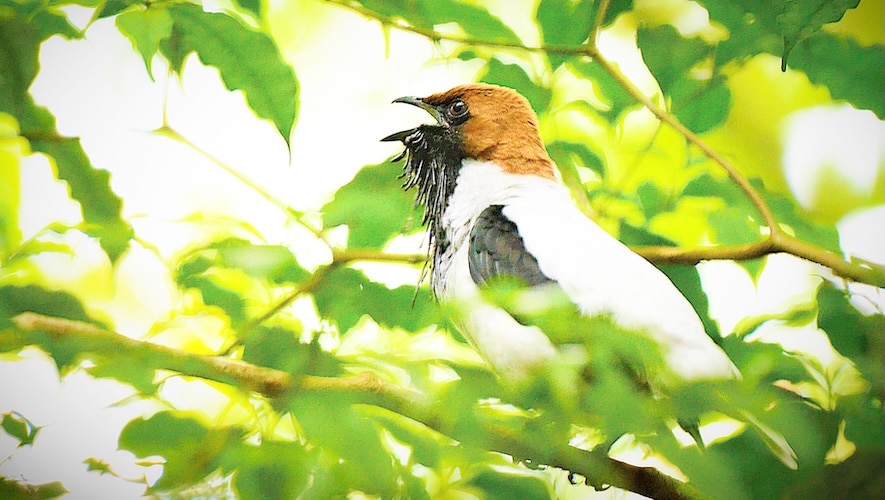
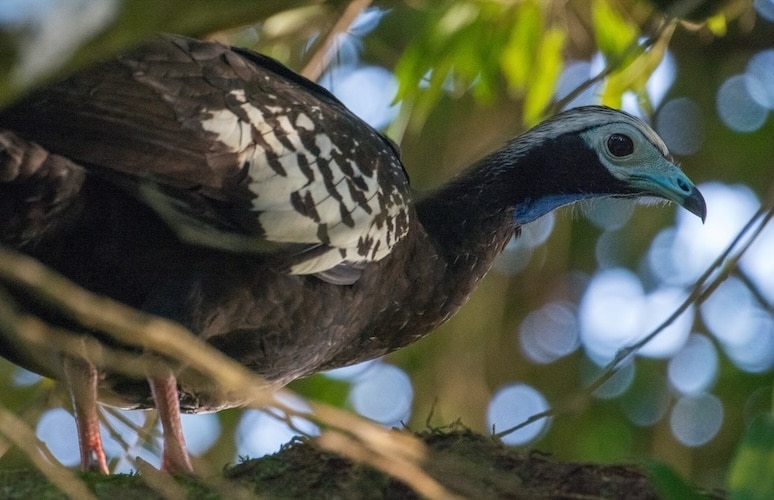

The island’s forests—particularly within the Northern Range—remain central to its birding appeal. Along the Blanchisseuse Road, forested slopes and lookout points provide opportunities for canopy species and birds of prey. At Las Lapas Lookout, birders have recorded the Ornate Hawk-Eagle Spizaetus ornatus, one of the Neotropics’ most striking raptors and a highlight for any visitor fortunate enough to encounter it.
Gardens, Communities, and Bird-Friendly Spaces
Birding in Trinidad is not confined to deep forest. Community-based and private green spaces play an increasingly important role. Charan’s Hummingbird Garden, a newer birding location in the Verdant Vale area, has become known for close views of multiple hummingbird species, alongside tanagers, honeycreepers, and other forest-edge birds.
Cultural elements—local food, village life, and informal conversations with residents—are an inseparable part of the birding experience. Many birding routes pass through agricultural areas and long-established communities where wildlife and daily life remain closely connected.
Staying Close to the Birds
Accommodation can also form part of the birding experience. Hacienda Jacana, a relatively new birding lodge in Trinidad, is set within productive lowland habitat and allows visitors to observe birds directly on-site. Over 100 bird species have been recorded around the lodge grounds, including wetland, forest-edge, and garden species. For visiting birders, such locations provide early-morning and late-afternoon birding opportunities without the need to travel far.
Wetlands, Macaws, and Mammals
On Trinidad’s east coast, the Nariva Swamp represents one of the country’s most important wetland systems. A guided Nariva bush tour combines birding with opportunities to observe mammals, offering a broader wildlife experience.
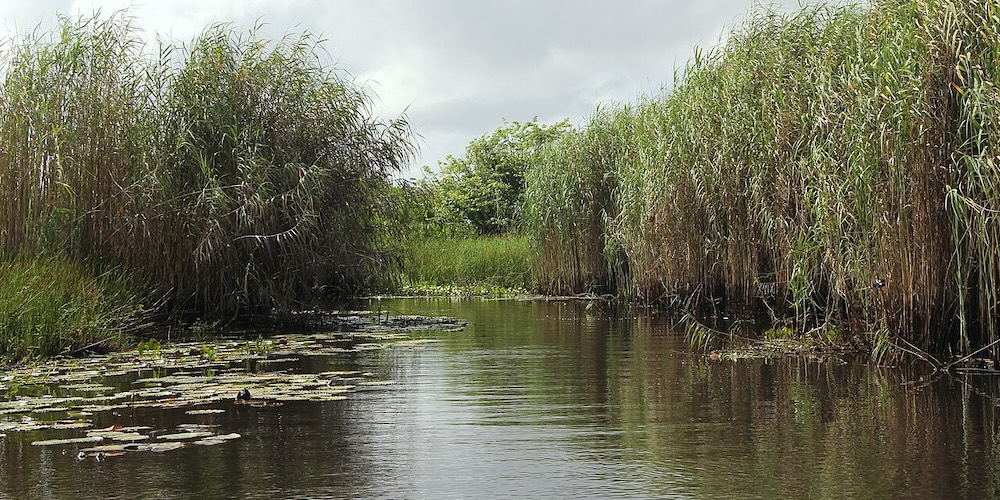
The area is one of the best places to see Scarlet Macaws (Ara macao), often flying overhead in pairs or small groups. Mammals such as the Red Howler Monkey and Spider Monkey are also present, adding a rare primate-watching element to Caribbean wildlife observation.
Bats and the Underground World
Beyond birds, Trinidad offers one of the Caribbean’s most dramatic mammal spectacles at the Tamana Bat Caves. Located in central Trinidad, this limestone cave system hosts one of the region’s largest bat colonies. At dusk, thousands of bats emerge in swirling formations, creating an unforgettable natural display. The caves hold both ecological and cultural significance and are best visited with knowledgeable local guides.
Matura: Forests and Leatherback Turtles
The southeastern forests surrounding Matura National Park continue to gain recognition for their wildlife value. Bajnath Estate, a newer birding location within the Matura area, offers productive forest birding and adds to the diversity of accessible sites.
Matura is also internationally known for hosting one of the Caribbean’s most important nesting beaches for Leatherback Turtles (Dermochelys coriacea). During the nesting season, visitors may witness these massive turtles coming ashore at night—an experience that highlights Trinidad’s global conservation importance.
Tobago: Forests and Seabirds
Tobago provides a complementary island experience. The Main Ridge Forest Reserve, the oldest protected rainforest in the Western Hemisphere, supports a mix of resident and migratory species. Offshore, Little Tobago Island is a key seabird nesting site, home to Red-billed Tropicbirds and Audubon’s Shearwaters.
Local Knowledge and Guiding
Successful wildlife observation in Trinidad and Tobago relies heavily on local expertise. Tours across the islands are led by experienced local guides, including Barry Ramdass, who is one of the active wildlife guides working across Trinidad’s key birding and wildlife areas.
A Living Natural History Destination
What sets Trinidad and Tobago apart is not only biodiversity, but accessibility. In a relatively small geographic area, visitors can experience rainforest birding, wetlands with macaws and monkeys, bat caves, and world-class turtle nesting beaches—often alongside rich local culture.
 |
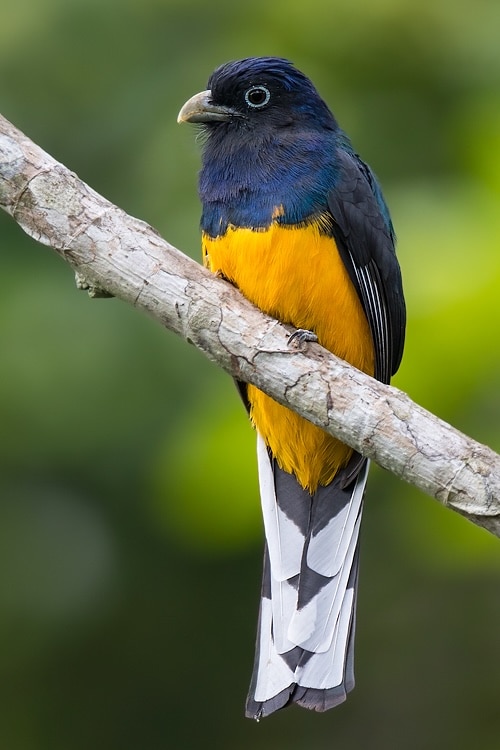 |
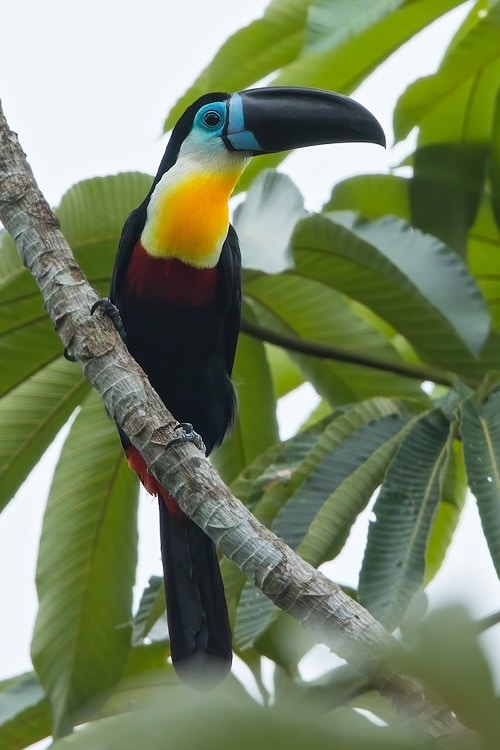
| Channel-billed Toucan Ramphastos vitellinus | Green-backed Trogon Trogon viridis |
| The two photos above courtesy of ©Dubi Shapiro | |
For birders seeking Neotropical diversity, wildlife enthusiasts looking beyond birds alone, and travelers interested in destinations where nature and culture remain closely connected, Trinidad and Tobago continue to stand out as a rewarding and authentic wildlife destination.