

Central Anatolia Region
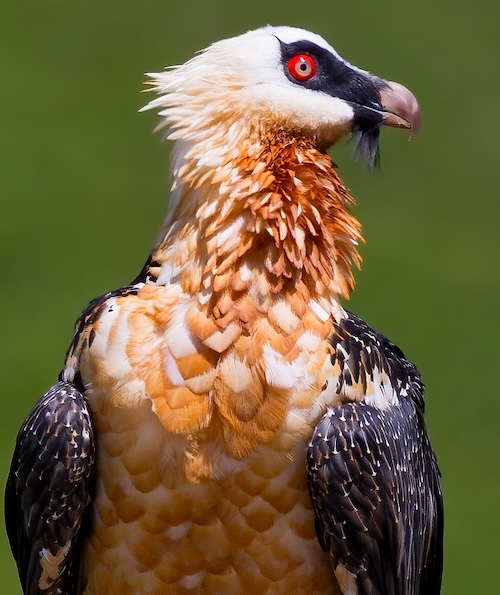
Central Anatolia is a region of central Türkiye covering 163,057 km2 (62,957 square miles) with a population of nearly thirteen million people. Located in central Türkiye, it is bordered by the Aegean region to the west, the Black Sea region to the north, the eastern Anatolia region to the east, and the Mediterranean region to the south. It also shares a very short border with the Marmara region.
The largest city is the Turkish capital Ankara and there are several other major cities such as Konya and Kayseri and the fascinating city of Nevşehir, much of which dwellings carved from the rocks.
The region combines rich biodiversity with ancient history, traditional villages and spectacular landscapes. Areas such as Kapadokya and the Taurus Mountains attract nature travellers from all over the world.
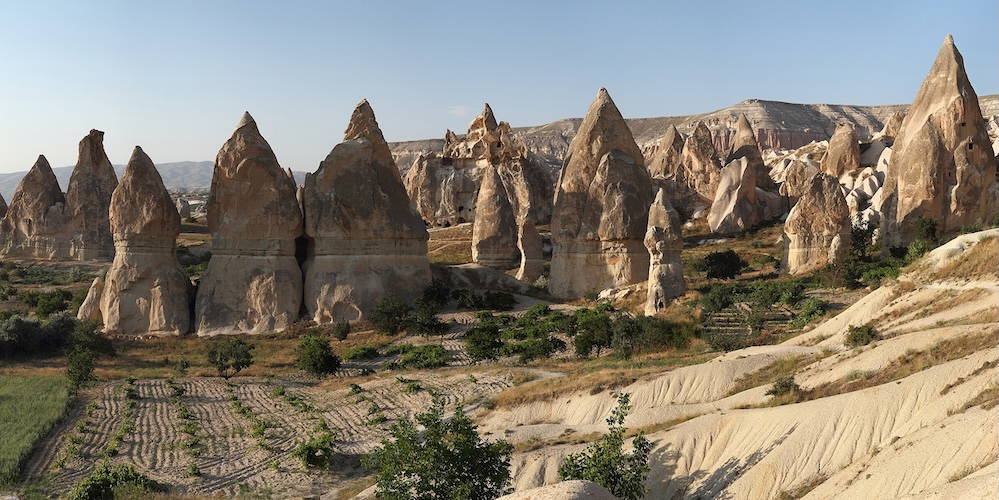
Cappadocia’s ‘Chimneys’ – Public Domain via Wikimedia Commons
The climate is semi-arid continental with hot, dry summers and cold, snowy winters. Most of the region usually has low precipitation throughout the year.
Birding Central Anatolia
Situated in the heart of Türkiye, the Central Anatolia Region is a vast landscape of steppes, volcanic mountains, alpine valleys, wetlands and ancient cultural routes. Although often associated with dry plains and continental climate, the region contains some of the country’s most important bird habitats and migration corridors.
The region offers exceptional birdwatching opportunities thanks to its diverse habitats. Open steppe landscapes support larks, wheatears and raptors, while wetlands provide breeding and resting grounds for flamingos, ducks, herons and waders. Spring and autumn migration periods are especially productive. The region lies on important migration routes between Europe, Asia and Africa, making it one of the best birding areas in the whole nation. The dramatic mountain landscapes of the Taurus range also provide habitat for alpine species and high-altitude specialists rarely seen elsewhere in Europe.

Mount Erciyes near Göreme – ©Dosseman CC BY-SA 4.0 via Wikimedia Commons
The region includes many rich birding destinations such as the spectacular mountain systems of Aladağlar Milli Parkı. Large wetlands like Sultan Sazlığı Milli Parkı and Tuz Gölü attract thousands of migratory birds every year.

Sultan Sazlığı Milli Parkı Boardwalk – Public Domain via Wikimedia Commons
Central Anatolia supports a remarkable diversity of birdlife. Some of the region’s most notable species not mentioned above include raptors like Eastern Imperial Eagle, Long-legged Buzzard, Lesser Kestrel and Short-toed Snake Eagle. Steppe and mountain birds include Calandra & Horned Larks, Isabelline Wheatear and Black-headed Bunting. There are wetland species such as Ruddy Shelduck and Glossy Ibis
The best birding seasons in Central Anatolia are generally from March to June and from August to October. Spring brings breeding activity and migration, but Summer is ideal for alpine species in the mountains. Autumn offers excellent migration opportunities, whereas Winter can produce large numbers of waterfowl and raptors in wetlands and open plains. Like birding in most places, early mornings are usually the most productive time for birdwatching, especially in mountainous areas such as Aladağlar Milli Parkı.
In short, Central Anatolia is one of Türkiye’s most rewarding regions for birdwatching and nature travel. From the flamingos of Tuz Gölü to the remote alpine habitats of Aladağlar Milli Parkı, the region offers extraordinary biodiversity and unforgettable landscapes. For birders seeking iconic species such as Caspian Snowcock together with authentic mountain experiences, Central Anatolia remains one of the finest destinations in the Western Palearctic.
-
Aladağlar Milli Parkı
InformationSatellite ViewAladağlar Milli Parkı is one of Turkey’s premier mountain birding destinations. High rocky slopes, alpine meadows and deep valleys create ideal habitat for many sought-after species. The park is internationally famous for sightings of Caspian Snowcock, especially during early morning hikes above 2,000 metres. Birders visiting the area may also encounter Golden Eagle, Lammergeier, Crimson-winged Finch, Alpine Accentor, Red-fronted Serin and Chukar Partridge. The combination of birding, trekking and dramatic scenery makes Aladağlar one of the highlights of birdwatching in Turkey. -
Sultan Sazlığı Milli Parkı
InformationSatellite ViewSultan Sazlığı Milli Parkı is an internationally important wetland, and is one of the richest bird habitats in Central Anatolia. Extensive reedbeds, freshwater marshes and shallow lakes support hundreds of species throughout the year. Commonly observed birds include Greater Flamingo, Purple Heron. Eurasian Spoonbill, Ferruginous Duck and White Stork. The area becomes particularly active during spring migration. -
Tuz Gölü
InformationSatellite ViewTuz Gölü is one of the largest salt lakes in the world and among the most important breeding sites for flamingos in Turkey. The surrounding saline steppe habitat also hosts Kentish Plover, Black-winged Stilt, Slender-billed Gull, Collared Pratincole and a number of lark species. The unique landscape offers excellent photography opportunities as well as birdwatching.
-
Hasan Safak
Aladaglar National Park
Accommodation & Guiding
-
Number of bird species: 414
(As at May 2026)
-
Abvibase
PDF CheckliustThis checklist includes all bird species found in Central Anatolian Region , based on the best information available at this time. It is based on a wide variety of sources that I collated over many years. I am pleased to offer these checklists as a service to birdwatchers. If you find any error, please do not hesitate to report them.
-
NatureTrek
Tour Operatorn 8-day holiday to enjoy the wildlife and archaeological highlights of central Anatolia and south-east Turkey, in particular the sought-after birds of this Western Palearctic country.
-
2024 [07 July] - Alper Yılmaz
Report...As soon as we enter, we spot a Red Fox couple near the restaurant, and it doesn't take long for us to start seeing birds from our target species list: some Western Rock Nuthatches are calling, a Eurasian Crag Martin is strolling about, a few Blue Rock Thrushes are wandering around rocks, and a Golden Eagle is soaring above. We finish the day fulfilled, both bird and stomach-wise...