

Marmara Region
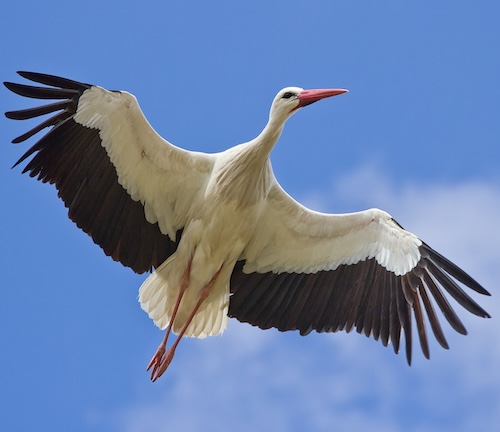
The Marmara Region is one of the seven regions of Türkiye and is located in the northwest of the country and serves as the bridge between Europe and Asia. It is bordered by Greece and the Aegean Sea to the west, Bulgaria and the Black Sea to the north, the Black Sea region to the east, and the Aegean region to the south. The centre of the region is the Sea of Marmara, which gives the region its name.
The Marmara region is the second smallest region, and yet has the largest population, and so is the most densely populated region in the country. It covers an area of 67,000 km2 (26,000 square miles) with a population of over 27 million people, of whom almost 16 million live in the metropolitan area of Turkey’s largest city – Istanbul. It is a highly strategic, densely populated, and ecologically diverse area, combining major cities, wetlands, forests, and coastal ecosystems. The region includes other important cities such as Bursa, Edirne, Kocaeli, Sakarya, Tekirdağ, and Balıkesir.
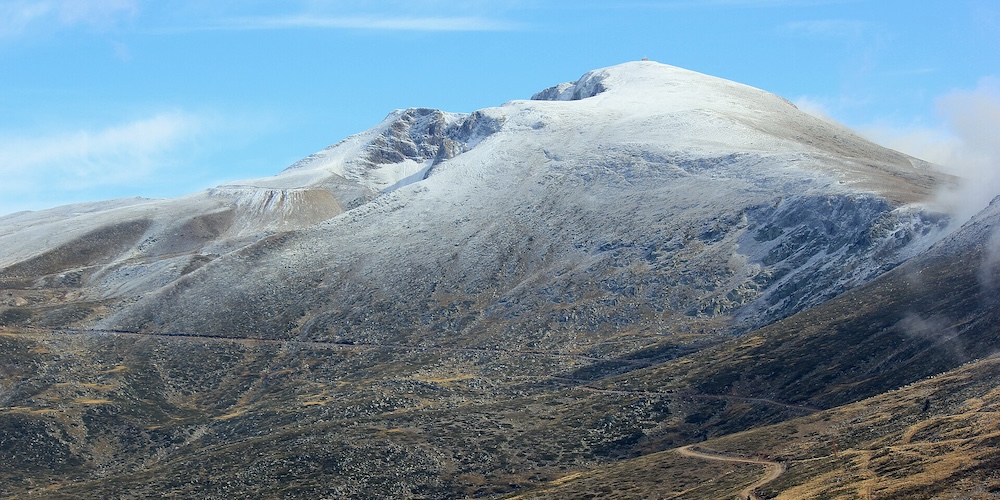
Uludağ – ©Julian Nyča CC BY-SA 4.0 via Wikimedia Commons
The Yıldız Mountains and Uludağ are in the Marmara Region. Several islands are part of the region, in the Aegean Sea are Gökçeada and Bozcaada, and in the Sea of Marmara are Marmara Island, Avşa, Paşalimanı, İmralı and the Princes’ Islands of Istanbul.
The region has a borderline Mediterranean and humid subtropical climate on the Aegean Sea and the South Mamara Sea coasts and an oceanic climate on the Black Sea coast. Summers are warm to hot and moderately dry, whereas winters are cool, wet and sometimes snowy. The coastal climate keeps the temperatures relatively mild.
Birding the Marmara Region
Due to its position on major migration routes and its mix of habitats, Marmara is one of the most important birdwatching regions in Türkiye It offers a unique combination of habitats, including the Bosphorus migration corridor, coastal wetlands, lagoons, lakes, forests, and agricultural landscapes.
The Istanbul Bosphorus is one of the most important raptor migration bottlenecks in the world. During spring and autumn, thousands of birds of prey, such as eagles, hawks, and vultures pass through this narrow corridor. Wetlands are crucial for waterbirds, while forests provide habitats for songbirds, woodpeckers, and nocturnal species.
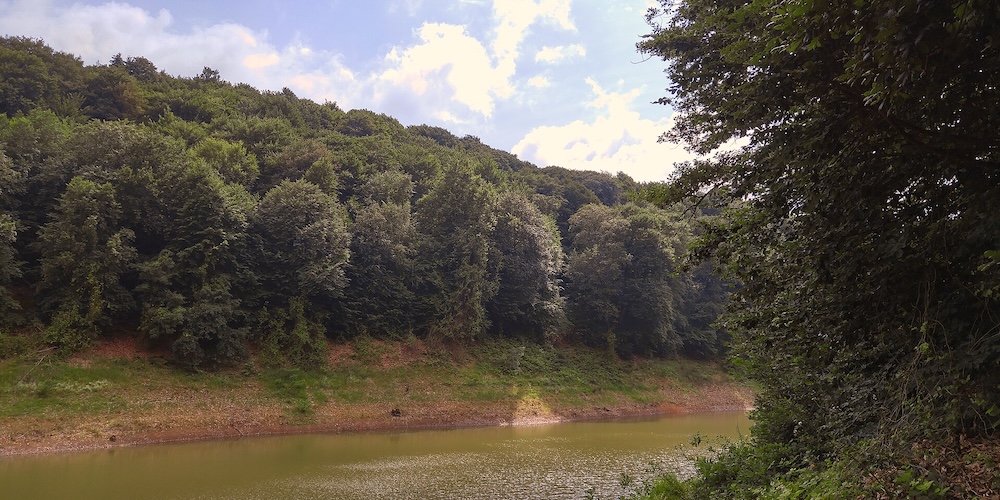
Belgrad Forest – ©Mostafameraji CC BY-SA 4.0 via Wikimedia Commons
Notable Bird Species of the region include raptors such as eagles, buzzards, vultures and kestrels; wetland species including pelicans, herons, ibises, ducks and terns; forest birds including woodpeckers, owls, warblers and finches as well as many migratory species such as storks, soaring raptors and waders.
The best times for birdwatching are March to May for spring migration and breeding birds and August to October for peak autumn migration (especially raptors). Winter is often excellent for waterbirds in wetlands and lakes. Windy days along the Bosphorus are especially productive for raptor migration observation.
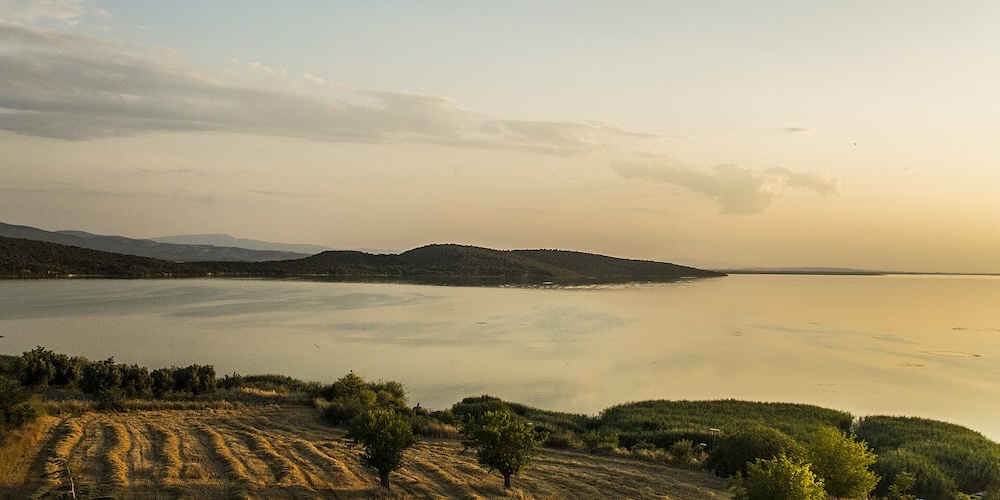
Lake Uluabat – ©Nozomiuk CC BY-SA 4.0 Wikimedia Commons
The Marmara Region is one of Türkiye’s most important birdwatching areas due to its position on major migration flyways and its diverse ecosystems. From the Bosphorus migration corridor to wetlands like Lake Uluabat and forests such as Belgrad Forest, the region offers outstanding bird diversity year-round. For birdwatchers interested in migration, wetlands, and mixed forest ecosystems, Marmara remains one of the most rewarding regions in the Western Palearctic.
-
Belgrad Forest
InformationSatellite ViewOne of Istanbul’s most important forest ecosystems, offering rich habitats for woodland and songbirds. Woodpeckers, owls, finches, and various passerine species are commonly recorded here. -
Ergene Basin
InformationSatellite ViewA mix of agricultural land and steppe-like habitats that act as an important migration corridor for raptors and storks. Buzzards, kestrels, and storks are frequently observed during migration periods. -
Istanbul Bosphorus
InformationSatellite ViewOne of the world’s most famous raptor migration corridors. In spring and autumn, thousands of soaring birds pass through this narrow strait. Eagles, hawks, vultures, and storks can be observed during peak migration days. -
Lake Sapanca
InformationSatellite ViewA key freshwater lake in the Marmara Region that serves as an important stopover site during migration. Ducks, grebes, and shorebirds are commonly seen, especially in spring and autumn. -
Lake Uluabat
InformationSatellite ViewA Ramsar-listed wetland and one of Türkiye’s most important bird habitats. Pelicans, herons, ibises, ducks, and many other waterbird species breed and migrate through this area. -
Manyas Bird Paradise National Park
InformationSatellite ViewOne of the most important wetlands in Türkiye and Europe, known for its exceptional bird diversity. Pelicans, cormorants, herons, ibises, and many waterbirds breed and rest here in large numbers. -
İğneada Longoz Forests National Park
InformationSatellite ViewOne of Europe’s most important floodplain forest ecosystems, offering a rare and highly biodiverse habitat. It supports migratory birds, waterbirds, and forest species in a unique wetland-forest environment.
-
Hasan Safak
Aladaglar National Park
Accommodation & Guiding
-
Number of bird species: 428
(As at May 2026)
-
Avibase
PDF ChecklistThis checklist includes all bird species found in Marmara Region , based on the best information available at this time. It is based on a wide variety of sources that I collated over many years. I am pleased to offer these checklists as a service to birdwatchers. If you find any error, please do not hesitate to report them.

-
Finding Birds In North-West Turkey
| Dave Gosney | Easybirder | 2015 | Paperback | 31 pages, 16 b/w maps | ISBN: 9781907316500 Buy this book from NHBS.com -
Finding Birds In South-West Turkey Book
| Dave Gosney | Easybirder | 2014 | Paperback | 40 pages, b/w maps | ISBN: 9781907316463 Buy this book from NHBS.com
-
National Parks Marmara
WebpageThe national parks of the Marmara region showcase Türkiye’s magnificent nature and history, and are visited by millions of people every year. Lakes, caves, battlefields, ancient cities, canyons, and beaches are among the most popular locations.
-
Bosphorus Cruise
CruiseDiscover Bosphorus wildlife, from dolphins to birds of Istanbul. Explore marine life and enjoy nature-watching tours for a unique ecotourism -
Eskapas Travel
Local ToursThe Southern Marmara region is a critical hub on the Via Pontica, one of the world’s major bird migration highways. Each year, millions of birds traverse this corridor, and the lakes of Manyas, Uluabat, and İznik provide indispensable rest stops and breeding grounds.