

Eastern Anatolia Region
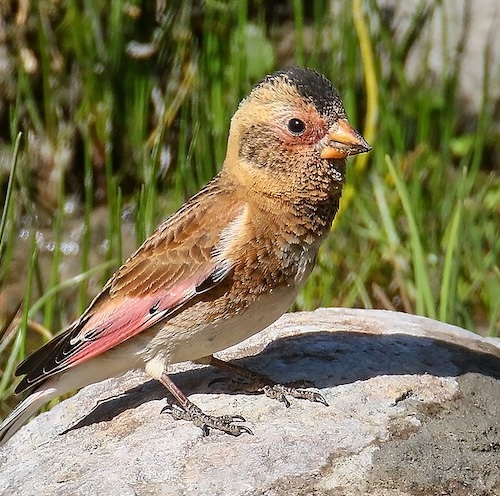
The Eastern Anatolia Region is one of the seven regions of Türkiye and is located in the east of the country. It is bordered by the Black Sea region and the country of Georgia in the north, the central Anatolia region in the west, the Mediterranean region in the southwest, the southeast Anatolia region and the country of Iraq in the south, and the countries of Armenia, Azerbaijan, and Iran in the east. It covers an area of 165,436 km2 (63,875 square miles) And has a population of over six and a half million people. The region’s average altitude is 7,200 feet and its major geographical features include plains, plateaus and massifs and there is also some volcanic activity.
It is the country’s most rugged, remote, and dramatically beautiful landscape. Dominated by high mountains, vast plateaus, volcanic peaks, and deep valleys, the region includes major cities such as Erzurum, Van, Kars, and Ağrı. It is also well wooded with 11% of the country’s forests.
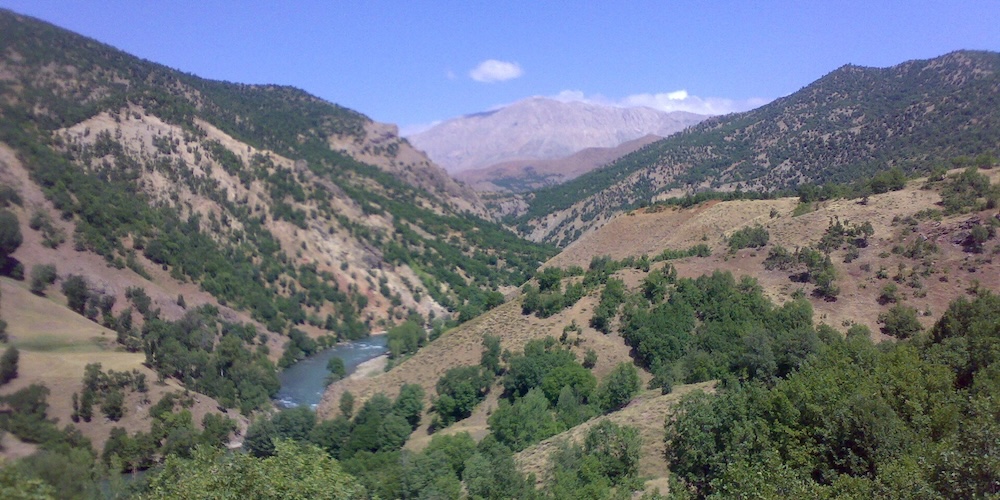
Deciduous Forest at Ovacik – ©Arser CC BY 3.0 via Wikimedia Commons
Short, fast rivers and seasonal streams from the melting of winter snow feed Türkiye’s largest lake, Lake Van, along with other large lakes such as Lake Çildir, Lake Nazik, Lake Erçek, Lake Hazar, Lake Balik, Lake Haçli and Lake Akdoğan. They also contribute to larger rivers such as the Kura, Zab and Aras as well as the Tigris and Euphrates.
This region is known for its extreme, harsh continental climate with long winters and relatively short summers. Despite its harsh conditions, Eastern Anatolia supports extraordinary biodiversity and some of the most specialized bird species in the Western Palearctic.
Birding Eastern Anatolia
Eastern Anatolia is characterised by high-altitude steppes, alpine meadows, volcanic mountains, wetlands, and vast open landscapes. These habitats create ideal conditions for both mountain specialists and migratory waterbirds.
The region sits on important migration routes between the Caucasus, the Middle East, and Central Asia, making it a key corridor for raptors, waterfowl, and steppe birds. Spring and early summer are particularly productive, while winter brings large concentrations of waterbirds to unfrozen lakes.
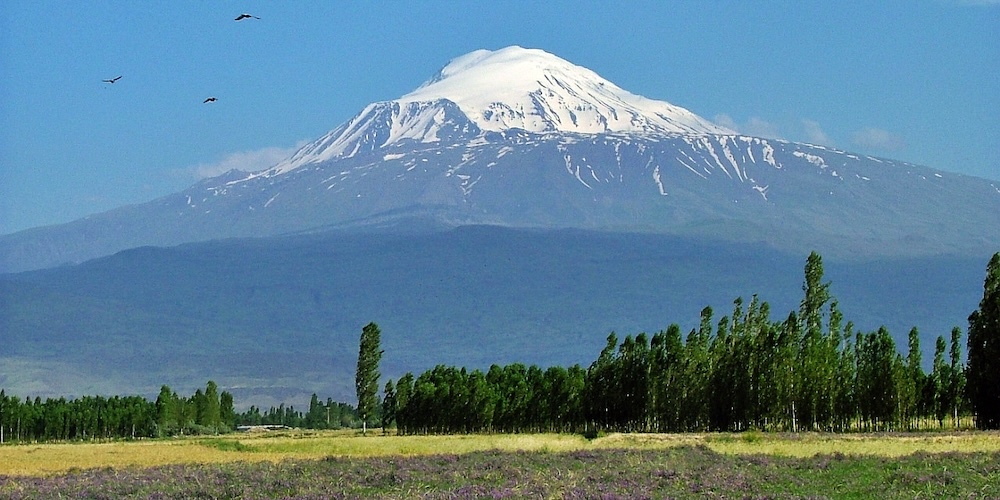
Mount Ararat – Public Domain via Wikimedia Commons
High mountains such as Mount Ararat and surrounding ranges provide breeding habitat for rare alpine species, while wetlands like Lake Van and Lake Çıldır are critical stopover and breeding sites.
Notable Bird Species of the region include many iconic and regionally important bird species, including Golden Eagle, Bearded Vulture and Long-legged Buzzard. There are also mountain specialists such as Caspian Snowcock, Alpine Accentor and Crimson-winged Finch and steppe birds like Horned Lark, Isabelline Wheatear and Shore Lark. Wetland areas hold Armenian Gull, Ruddy Shelduck, Greater Flamingo as well as a variety of grebes and ducks.
The most productive birdwatching periods in Eastern Anatolia are May to July; the breeding season in the mountains and high plateaus; August to October, which is a key migration period with increased raptor activity. In winter (November to February) the region is excellent for waterbirds in lakes like Van and Çıldır that do not freeze over. Generally, early mornings are especially productive in alpine and steppe habitats, while lakes offer consistent bird activity throughout the day.

Munzur Valley National Park – ©Iskan21 CC BY-SA 4.0 via Wikimedia Commons
In short, Eastern Anatolia is one of Türkiye’s most wild and rewarding regions for birdwatching. From the vast waters of Lake Van to the alpine slopes of Mount Ararat and the boreal forests of Sarıkamış, the region offers an unmatched combination of landscapes and species diversity. For birdwatchers seeking remote wilderness, rare alpine species, and large-scale waterbird concentrations, Eastern Anatolia stands out as one of the most remarkable birding regions in the Western Palearctic.
-
Lake Van
InformationSatellite ViewThe largest lake in Türkiye, Lake Van is a highly alkaline inland sea surrounded by mountains and steppe. It is one of the most important bird habitats in Eastern Anatolia. The lake is especially famous for hosting large numbers of Armenian Gull, along with species such as Greater Flamingo, Ruddy Shelduck, and various grebes and waterfowl. Its islands and shoreline provide key breeding and resting areas. -
Lake Çıldır
InformationSatellite ViewLocated in the far northeast of Türkiye, Lake Çıldır is a high-altitude freshwater lake that freezes in winter and becomes a hotspot for winter birdwatching. During the warmer months, it supports a variety of waterbirds including ducks, geese, and waders. In winter, surrounding areas attract raptors and other cold-adapted species. -
Mount Ararat
InformationSatellite ViewThe highest peak in Türkiye, Mount Ararat is a vast volcanic massif with alpine slopes, rocky cliffs, and high-altitude meadows. This dramatic environment supports specialist mountain species Birdwatchers may encounter species such as the Caspian Snowcock at higher elevations, along with Golden Eagle, Alpine Accentor, and various high-altitude finches. The remote and untouched nature of the mountain makes it a unique birding destination. -
Munzur Valley National Park
InformationSatellite View -
Sarıkamış Forests
InformationSatellite ViewThe Sarıkamış region is known for its unique boreal forest ecosystem, one of the few of its kind in Türkiye. Dense pine forests and alpine meadows create an important habitat for forest and mountain birds. Species such as the Caucasian Black Grouse, Eurasian Bullfinch, and various owls and woodpeckers can be observed in this rare habitat.
-
Hasan Safak
Aladaglar National Park
Accommodation & Guiding
-
Number of bird species: 419
(As at May 2026)
-
Avibase
PDF ChecklistThis checklist includes all bird species found in Eastern Anatolian Region , based on the best information available at this time. It is based on a wide variety of sources that I collated over many years. I am pleased to offer these checklists as a service to birdwatchers. If you find any error, please do not hesitate to report them.

-
Finding Birds in Eastern Turkey
| By Dasve Gosnet | Easybirder | 1993 | Paperback | 24 Pages, Maps | ISBN: 9781907316203 Buy this book from NHBS.com
-
Aras River Bird Ringing Station
Observatory WebsiteSatellite ViewThe Bird Ringing, Research and Education Center at Eastern Turkey’s Aras River Wetlands Bird Paradise – a Heaven On Earth
-
IBA Sündiken Mountains
InformationSatellite ViewThe IBA lies at the easternmost extremity of the 130 km long Sündiken mountain range, which lies on an east-west axis between the Sakarya and Porsuk plains. Extensive forests of Pinus nigra are interspersed with Quercus/Juniperus scrub, a few scattered villages and areas of open grassland. The steeper northern slopes face Sarýyar reservoir (site 045); the gently sloping south-facing valleys meet the semi-arid, intensively cultivated Central Anatolian plateau.
-
Demavend Travel
Local Tour OperatorBirding in east Anatolia & the south coast -
Eskapas
Local Tour OperatorEastern Anatolia around Lake Van is influenced with oriental and African elements. The Hakkari-Van plateau exhibit the influence of asiatic flora and fauna, where one can find the rare Demoiselle Crane, Red-wattled Lapwing, Armenian Gull, Mongolian Finch & Grey-necked Bunting; -
NatureTrek
Tour OperatorAn 8-day holiday to enjoy the wildlife and archaeological highlights of the east and Black Sea regions of Turkey.