

Southeastern Anatolia Region
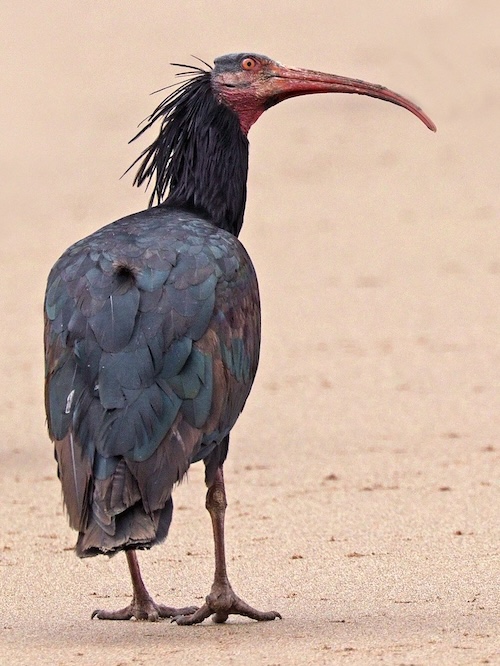
The Southeastern Anatolia Region is one of the seven regions of Türkiye covering 59,176 km2 (22,848 square miles) in the southeast of then country with a population of almost 8.6 million people. It borders the Mediterranean region to the west, the Eastern Anatolia region to the north, the country of Syria to the south, and the country of Iraq to the southeast.
It is a land of vast steppes, ancient civilizations, deep river valleys, and semi-arid landscapes shaped by the Euphrates and Tigris river systems. It does have some Grassland steps with shrubs and there are areas of forest, especially in the higher elevations. In the wooded areas there are both deciduous broad-leafed trees and conifers. The most populous city is Gaziantep, other important cities are Şanlıurfa, Diyarbakır, Mardin, Adıyaman, Batman, Kilis, and Şırnak.
The climate is semi-arid continental climate, with very hot and dry summers and cold and often snowy winters.

Karacadağ Mountains – ©Christian1311 CC BY-SA 4.0 via Wikimedia Commons
This region is globally known for its archaeological richness, including some of the world’s earliest human settlements, as well as its striking landscapes of limestone plateaus, river cliffs, and rolling steppe.
Birding Southeastern Anatolia
Southeastern Anatolia combines arid steppe ecosystems, river valleys, artificial reservoirs, and rocky plateaus. Despite its dry appearance, the region supports a surprisingly rich bird diversity, especially for steppe specialists, raptors, and riverine species.
The Euphrates and Tigris river systems create vital migration corridors, making the region an important route for birds traveling between Africa, the Middle East, and Eurasia. Spring and autumn migration periods bring high levels of activity, particularly for raptors and large soaring birds.

Göbekli Tepe – ©Zhengan CC BY-SA 4.0 via Wikimedia Commons
Dry steppes and volcanic plateaus support larks, wheatears, and bustards, while river valleys provide nesting sites for rare and endangered species. Notable species include a unique mix of steppe, riverine, and desert-adapted species, such as Eastern Imperial Eagle, Egyptian Vulture, Long-legged Buzzard and Lesser Kestrel among the raptors. The steppes are good for Calandra Lark, Greater Short-toed Lark, Isabelline Wheatear and Desert Wheatear, whereas the river & wetland areas support Dalmatian Pelican, Glossy Ibis and various herons, ducks and gulls. The most iconic species is the Northern Bald Ibis with an established population at Birecik.
The most suitable birdwatching periods in Southeastern Anatolia are March to May for spring migration and peak bird activity, and September to November for the autumn migration, especially of raptors. Winter is good for waterbirds in reservoirs and river valleys. Early mornings and late afternoons are the best times, especially in hot summer conditions.
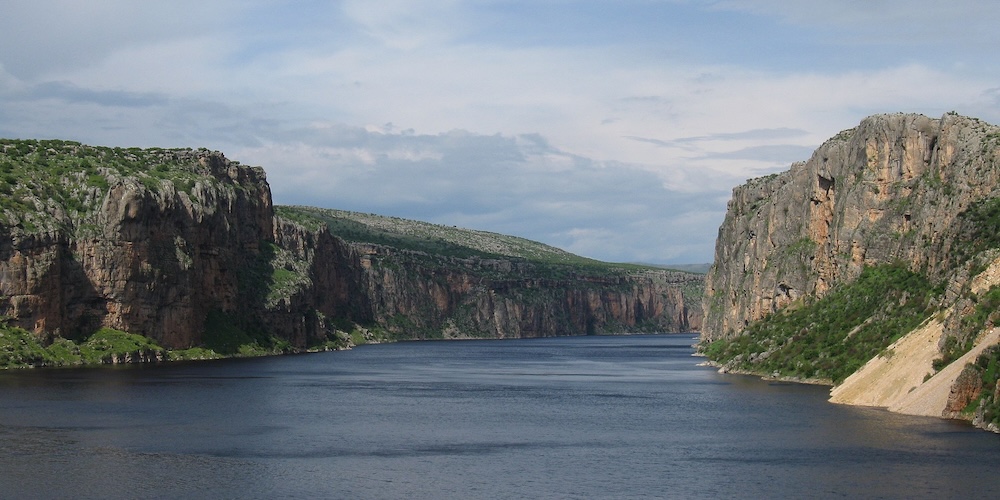
Birecik Cliffs – ©Valen1988 CC BY-SA 4.0 via Wikimedia Commons
Southeastern Anatolia is one of Türkiye’s most historically rich and ecologically distinctive birdwatching regions. From the endangered Northern Bald Ibis colonies in Birecik to the vast steppe landscapes of Karacadağ and the river ecosystems of the Euphrates and Tigris, the region offers exceptional bird diversity. For birdwatchers interested in steppe specialists, raptor migration, and unique conservation success stories, Southeastern Anatolia is a truly remarkable destination in the Western Palearctic.
-
Atatürk Dam
InformationSatellite ViewOne of the largest dams in the region, Atatürk Dam creates a vast artificial lake that serves as an important wetland habitat. It attracts large numbers of waterbirds, especially during migration periods. Species such as herons, pelicans, cormorants, ducks, and gulls are commonly observed around the reservoir. -
Birecik
InformationSatellite ViewBirecik is one of the most famous birdwatching locations in Turkey and is globally known for the conservation of the Northern Bald Ibis. The cliffs along the Euphrates River provide critical nesting habitat for this endangered species. In addition to the ibis colony, the area supports various raptors, swifts, and riverine bird species, making it a must-visit site for birdwatchers. -
Dicle River
InformationSatellite ViewThe Tigris (Dicle) River valley is a key ecological corridor in the region. Its riverbanks, cliffs, and wetlands provide breeding and feeding grounds for a wide variety of species. Raptors such as Egyptian Vulture and various eagles are often observed soaring above the valley. -
Göbekli Tepe
InformationSatellite ViewWhile primarily known as the world’s oldest known temple complex, Göbekli Tepe is also surrounded by steppe habitat that supports typical dryland bird species. Larks, wheatears, and raptors can often be seen in the surrounding open landscapes. -
Hasankeyf
InformationSatellite ViewA historic settlement along the Tigris River, Hasankeyf features dramatic limestone cliffs and riverine habitats that support birdlife. The area is especially important for cliff-nesting species and migrating raptors. -
Karacadağ Volcanic Plateau
InformationSatellite ViewAn ancient volcanic plateau, Karacadağ offers extensive steppe and lava fields that host specialized bird species adapted to open and dry environments. It is particularly good for larks, wheatears, and other steppe specialists. -
Tektek Mountains National Park
InformationSatellite ViewThis protected area consists of rolling limestone hills and steppe ecosystems, offering excellent habitat for desert and semi-desert bird species. The park supports steppe birds such as larks, wheatears, and raptors, and provides a quiet, undisturbed environment ideal for birdwatching.
-
Hasan Safak
Aladaglar National Park
Accommodation & Guiding