

La Rioja
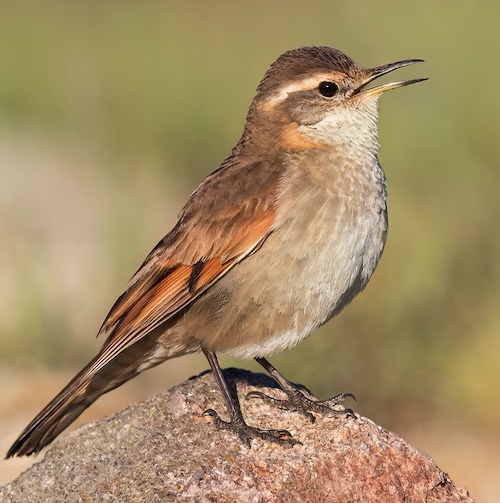
La Rioja is a one of the twenty-three provinces of Argentina and is located in the west of the country. It is surrounded by the provinces of Catamarca to the north, Córdoba to the east, San Luis to the south and San Juan to the south and west as well as the nation of Chile to the west. It covers an area of 89,680 km2 (34,630 square mile), but has a population of less than 400,000 people, the majority of whom live in the capital, also called La Rioja.
Its landscape is arid to semi-arid, and the dry climate is because it receives only around 200 mm of precipitation annually. The winters are short and the long summers very hot.
From the Andes at the west, with peaks of up to 22,293 feet (Monte Pissis), the province’s relief descents towards the sierras of the neighbouring dry Pampas zone. The Talampaya National Park is a dry red-soil canyon of the ancient extinguished Talampaya river, which contains many walls and rock formations that make it a tourist destination.
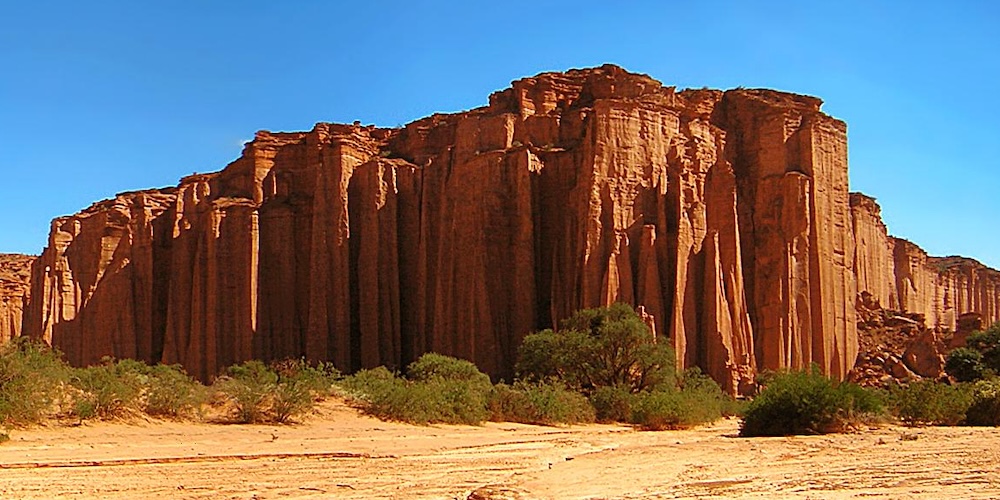
Talampaya National Park – ©HANNAN CC BY-SA 2.5 via Wikimedia Commons
Agriculture is mostly limited by La Rioja’s dry, mountainous terrain and, like its cities, lays on the shore of the few permanent rivers and oasis that allow irrigation, with only 190 square kilometres of cultivated land. Vineyards, nuts and olive plantations are the most common, followed by cotton. The province’s main crop is the grape, and its associated wine production, specially around the second city, Chilecito, with a production of 8 million litres per year. Cattle (250,000 head) and goats (150,000 head) are secondary activities, particularly for their hides for leather. Clay is the main mining activity, although uranium is also extracted near El Colorado.
Birding La Rioja
This is a region with stunning landscapes and, for birdwatchers, it offers diverse habitats ranging from the Andean peaks and foothills to lush valleys. Talampaya National Park is a top tourist attraction famous for its monumental red sandstone cliffs and dry canyons, which is good habitat for arid-adapted species and the spectacular Andean Condor, as well as Burrowing Parrot and White-collared Swift. Other possible bird of note are White-throated Cacholote, Elegant Crested-Tinamou and Diuca Finch. Famatina & Cañón del Ocre is anotDubhi Shapiroher high-altitude spot where you can bird as you ascend the Famatina mountain range. The dramatic Cañón del Ocre provides access to unique montane ecosystems. It holds high-altitude specialists like Andean Geese, miners, cinclodes, and various sierra-finches down the slopes. If you venture into the western mountains, look for Andean Flamingos, Giant Coots, Puna Tinamou, Puna Miner and Cordoba Cinclodes.
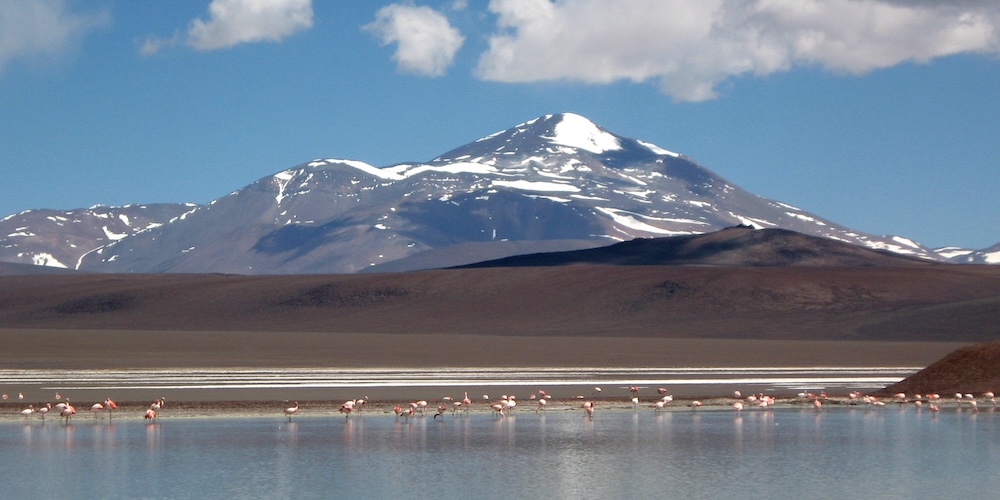
Laguna Brava Reserve – ©Silviaanac CC BY-SA 4.0 via Wikimedia Commons
El Cantadero near the provincial capital, offers a transition into more humid chaco and mountain woodlands. It can bhe good for Cream-backed Woodpecker, Black-legged Seriema, Crested Hornero, Hudson’s Black-Tyrant, and the Rusty-browed Warbling Finch.
The agricultural areas near Chilecito & Nonogasta hold different species. The vineyards and olive plantations and riparian oases with nearby shrubby foothills along Route 40 offer good roadside birding. Look out for Many-coloured Chaco Finch, White-tipped Plantcutter, Golden-billed Saltator and Spot-backed Puffbird.

Chirau Mita Botanical Gardens – ©Roberto Fiadone CC BY-SA 3.0 via Wikimedia Commons
Rufous Hornero (Argentina’s national bird) is ubiquitous around towns and parks. Andean Condors can frequently be seen riding thermals over canyon edges and mountain crests. The sparsely populated province is under-watched and offers much to the more adventurous travelling birder. The best time for birding is during the southern hemisphere spring and autumn (September to November and March to May). Summers are extremely hot (frequently exceeding 35°C to 40°C in the lowlands), while high winters can bring harsh, freezing winds to the highlands, so both times are best avoided. A 4WD vehicle is highly recommended if you plan to head into higher elevations like Famatina or the remote tracking routes of the high Andes.
-
Wikipedia
GNU Free Documentation License
Information
-
Number of bird species: 421
(As at September 2026)
-
Avibase
PDF ChecklistThis checklist includes all bird species found in La Rioja , based on the best information available at this time. It is based on a wide variety of sources that I collated over many years. I am pleased to offer these checklists as a service to birdwatchers. If you find any error, please do not hesitate to report them. -
eBird
PDF ChecklistThis checklist is generated with data from eBird (ebird.org), a global database of bird sightings from birders like you. If you enjoy this checklist, please consider contributing your sightings to eBird. It is 100% free to take part, and your observations will help support birders, researchers, and conservationists worldwide.
-
NP Parque Nacional Talampaya
InformationSatellite ViewTalampaya National Park is a national park located in the east/centre of La Rioja Province, Argentina. It was designated a provincial reserve in 1975, a national park in 1997, and a UNESCO World Heritage Site in 2000…. -
SP Reserva Provincial Laguna Brava
WebpageSatellite ViewThis reserve serves as a crucial habitat for numerous species that have adapted to thrive in the challenging Andean environment. Prominent among these species is the vicuña, a close relative of the llama, known for its remarkably soft wool and its status as a symbol of Andean wildlife. Additionally, several species of flamingos inhabit this region, including the Andean and James flamingos. The skies above the reserve are often graced by the majestic Andean condor, offering a dramatic sight as they soar with grace over the expansive plains and formidable rocky terraces.
-
eBird
SightingsObservations for last 7 days - bThe report below shows observations of rare birds in La Rioja. Includes both unreviewed and reviewed/approved observations.