

Río Negro
Río Negro is one of the twenty-three provinces of Argentina. It is located at the northern edge of Patagonia and borders Chubut to the south, Neuquén to the west, the nation of Chile also to the west, La Pampa to the north and Buenos Aires to the east. Also to the east lies the Atlantic Ocean. The province covers 203,013 km2 (78,383 square miles), extending from the Atlantic to the Cordillera of the Andes with a population of around 750,000 people.
Its capital is Viedma, is near the Rio Negro River’s outlet to the Atlantic. The largest city is Bariloche in the Andean foothills on the southern shore of Nahuel Huapi Lake, other important cities are General Roca and Cipolletti.
The Colorado River separates the province from La Pampa. To the west are the Andes and the Limay River. The Río Negro River runs along a wide transverse depression, the middle part of which is followed by a railway, which runs to the settlement of Neuquén at the confluence of the rivers Limay and Neuquen. In this depression are several settlements, among them Viedma, Cipolletti, General Conesa, Choele Choel and General Roca. To the south of the Río Negro the Patagonian plateau is intersected by the depressions of the Gualicho and Maquinchao, which in former times directed the waters of two great rivers (now disappeared) to the gulf of San Matias, the first-named depression draining the network of the Collon Cura and the second the Nahuel Huapi lake system. There is a third broad transverse depression, apparently the bed of another great river, now perished, which carried to the Atlantic the waters of a portion of the eastern slope of the Andes.
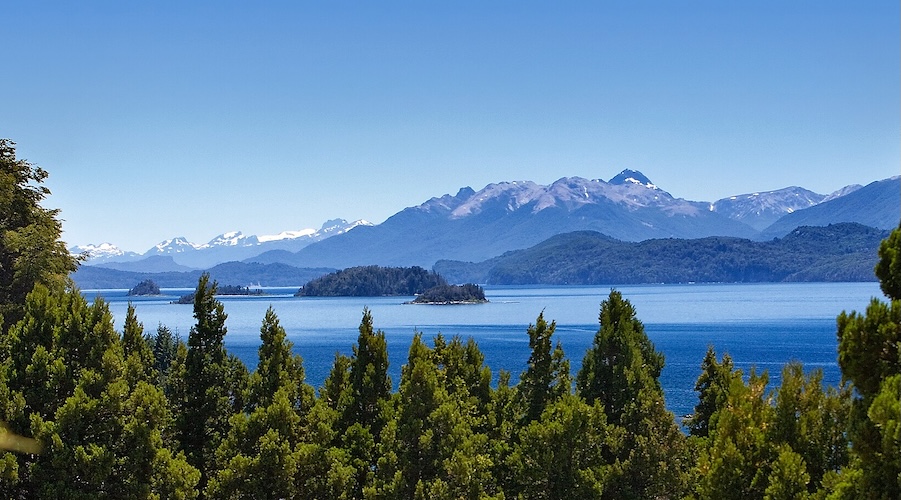
Lake Nahuel Haupi – ©David via Wikimedia Commons
The climate of the province is temperate at low elevations, and very cold in the higher Andean peaks. The northern parts of the province are the warmest, with a mean annual temperature of 15 °C, while the coldest areas are found in the Cordillera where the mean annual temperatures are less than 10 °C. At the highest peaks, the temperature is less than freezing. Summer temperatures can exceed 40 °C although the January temperatures range from 20 to 24 °C. In contrast, the Andean region has milder summers with January temperatures of 15 °C or less, depending on the altitude. In July, mean temperatures range from 7 to 8 °C on the coast in the north to just 2 to 3 °C in the central plateau. The Andes block most of the moisture from the Pacific Ocean from coming in, causing it to release most of the precipitation on its western slopes and as such, most of the province is dry, with a mean annual precipitation just 200 millimetres although itmi9s a little higher at the Atlantic coast. One dominant characteristic of the climate is the strong winds that are observed throughout the province.

The Somuncurá Plateau – ©Jplauriente via Wikimedia commons
Rio Negro’s economy is a diversified service-based one with vigorous agricultural and light manufacturing sectors and some mining. Tourism is centred on close encounters with Southern Right Whales.
Birding Río Negro
Probably the best base for the Andean part of the province is Bariloche. Parque Nacional Nahuel Huapi (San Carlos de Bariloche and El Bolsón) is right 90n yourn doorstep and features Andean-Patagonian forests, glacial lakes, and mountain chains. Key species to look for here include Magellanic Woodpeckers, Green Austral Parakeets, Andean Condors, and Green-backed Firecrowns. Guided lake and forest excursions are available via operators like Refugio Encanto Blanco and can be arranged by the local birdwatching club.
There is also Patagonian Steppe (surrounding Bariloche and for much of the state). The open, dry landscape ideal for ground-dwelling wildlife and soaring raptors. Highlights frequently include roosting Andean condors along dramatic ledges, l
armadillos, and chinchillas as well as the typical avifauna of Patagonia. Cerro Villegas is noted by local birders as one of the region’s most popular and scenic mountain bird-watching trails.
On the eastern side of northern Patagonia is the Atlantic Coast with the top bird and mammal watching sites of Puerto Madryn (just over the state border) and the Península Valdés region in the adjacent province to Río Negro. The Coastal and desert-transition habitats of Rio Negro province have most of the species available albeit in less known areas. On the other hand, you will be away from the tourist routes where cruise ships disembark and tourists scramble to make the most of their day ashore.
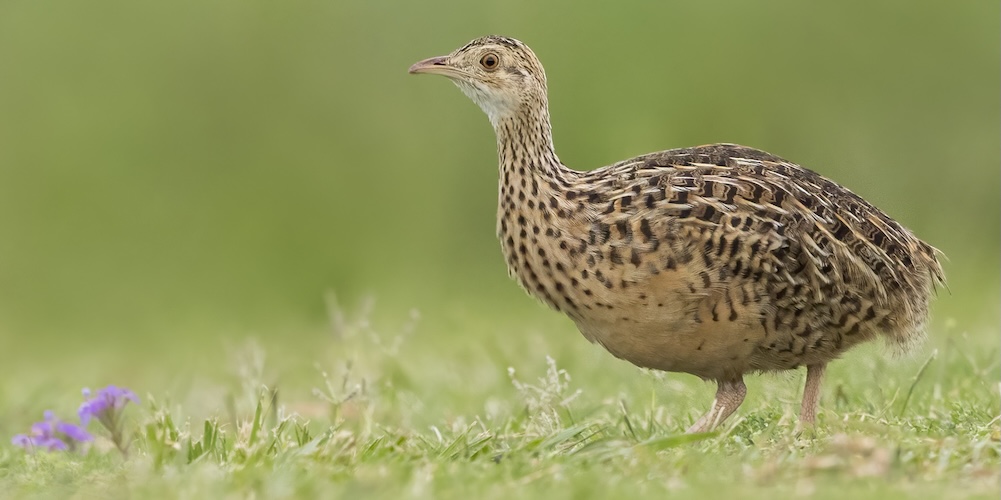
Spotted Nothura Nothura maculosa – ©Dubi Shapiro
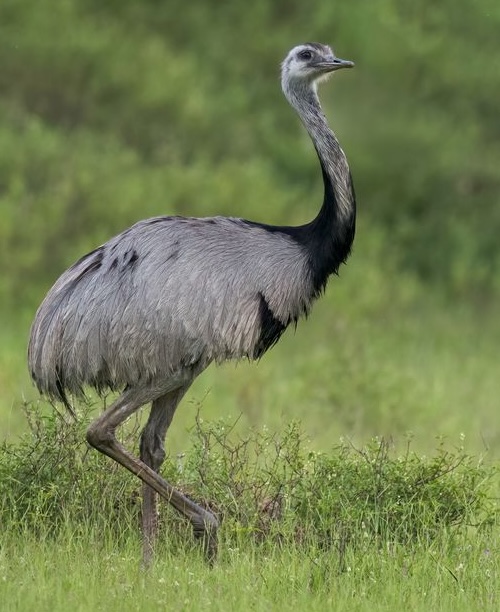
The area along the Rio Negro around the capital Viedma is cultivated and attracts wetland birds as well as those of the arid interior and there are bird guides here that can show you the best birding areas from here to the coastal town of Balnerio El Cóndor. Routen One mostly follows the coast from here to Puerto San Antonio. Look for Darwin’s Rhea, Long-tailed Meadowlark, Rufous-collared Sparrow, Patagonian Sierra Finch, Southern Crested Caracara, Southern Lapwing, Spotted Nothura and Red-winged Tinamou among others.
-
Wikipedia
GNU Free Documentation License
Information
-
Number of bird species: 367
(As at November 2026)
-
Avibase
PDF ChecklistThis checklist includes all bird species found in Río Negro , based on the best information available at this time. It is based on a wide variety of sources that I collated over many years. I am pleased to offer these checklists as a service to birdwatchers. If you find any error, please do not hesitate to report them. -
eBird
PDF ChecklistBird (ebird.org), a global database of bird sightings from birders like you. If you enjoy this checklist, please consider contributing your sightings to eBird. It is 100% free to take part, and your observations will help support birders, researchers, and conservationists worldwide.
-
COA Bariloche
WebsiteCOA Tucúquere operates in Bariloche and its surrounding areas, promoting the conservation of birds and their habitats through birdwatching, environmental education, and teamwork. We also participate in censuses sponsored by various institutions and collaborate actively with other COAs in nearby localities. You can find more information about the country’s COAs on the Aves Argentinas website.
-
NP Islote Lobos National Park
InformationSatellite ViewThe park is a coastal strip of approximately 20 km that includes a complex of six rocky promontories close to the shore: Lobos, La Pastosa, Ortiz Norte, Ortiz Sur, Redondo, and de los Pájaros. -
NP Parque Nacional Nahuel Huapi
InformationSatellite ViewThe national park is dominated by the high mountain chain of the Andes, many lakes, rapid rivers, waterfalls, snow-clad peaks, glaciers and extensive forests. It is bordered by Chile on its western side. Avifauna reported include Magellanic Woodpeckers, Green Austral Parakeets, geese, ducks, swans, Blue-eyed Cormorants, Andean condors Vultur gryphus and Green-backed Firecrowns Saphonoides sephaniodes…
-
Río Negro Rare Bird Alert
SightingsObservations for last 7 days - the report below shows observations of rare birds in Río Negro. Includes both unreviewed and reviewed/approved observations.
-
Birding Puerto Madryn
Tour OperatorSpend your Puerto Madryn port call on a private outing for birds, photography or nature. For cruise visitors, we select the sites and target birds to suit your interests and time in port, allowing a comfortable margin for returning to your ship. -
Swoop
Tour OperatorPatagonia was the place I found my real love for birds. There are so many to see, each time I travel across the region from my Santiago home, a new birding adventure begins. -
Trogon Tours
Tour OperatorPatagonia’s rugged landscapes, with towering glaciers, expansive steppes, and Andean peaks, offer dramatic backdrops for spotting Andean Condor, Magellanic Woodpecker, Guanaco, and Culpeo Fox, while its Atlantic coast...
-
Aves de Bariloche
WebsiteFotografias y comentarios de aves de Bariloche y sus alrededores. [Photographs of, and commentaries on the birds of Bariloche and its environs]