

Zanzibar
Zanzibar is a semi-autonomous region of Tanzania off the coast of East Africa. It is located in the Indian Ocean, and consists of many small islands and two large ones: Unguja Island (the main island, referred to informally as Zanzibar Island) and Pemba Island. The capital and largest city is Zanzibar City, located on the island of Unguja. Its historic centre, Stone Town, is a UNESCO World Heritage Site. The region covers an area of just 2,462 km2 (951 square miles) but has a population of almost two million people. Another island is part of the archipelago, Mafia Island.
Zanzibar is one of the Indian Ocean islands. It is situated on the Swahili Coast, adjacent to Tanganyika (mainland Tanzania). The main island is separated from the Tanzanian mainland by a channel, which at its narrowest point is c. 36 km across. The island is about 85 km long and 39 km wide. Unguja is mainly low lying, with its highest point being 390 feet. It is characterised by beautiful sandy beaches with fringing coral reefs. The reefs are rich in marine biodiversity.
The main economic activities are Rafia and spice production along with tourism. The main spices produced are cloves, nutmeg, cinnamon, coconut and black pepper.
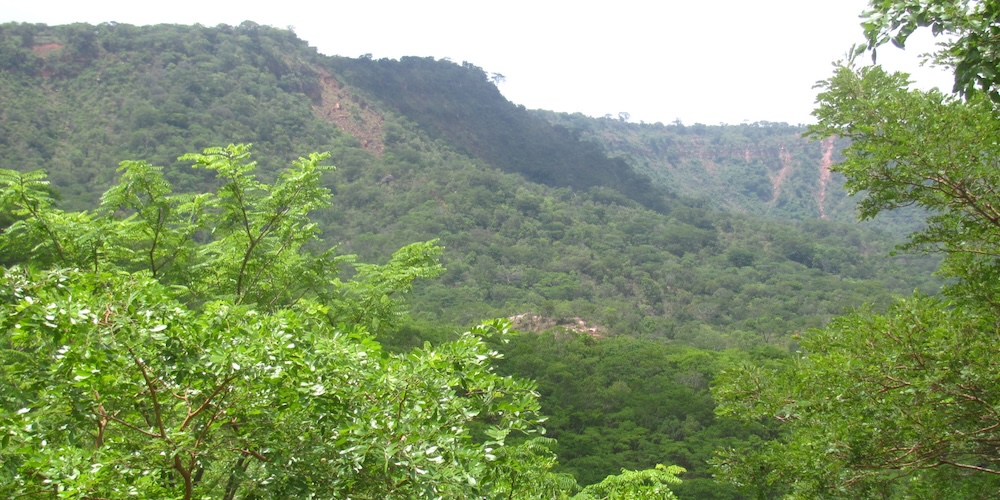
Makonde Plateau – ©Grahamcole CC BY-SA 4.0 via Wikimedia Commons
Zanzibar’s marine ecosystem plays a vital role in its fishing and algacultural industries; and act as nurseries for Indian Ocean fish populations. Moreover, the land ecosystem is the home of the endemic Zanzibar Red Colobus, the Zanzibar Servaline Genet, and the probably extinct Zanzibar Leopard. Zanzibar’s only national park covers roughly 50 km² on Unguja Island. It protects groundwater forests, mangroves, and the endemic, endangered Colobus. It features a blend of mangroves, tropical forests, coral reefs, and various wetlands, alongside agricultural and residential zones in its transitional zone. Recognized as a biodiversity hotspot, the reserve is home to an array of reef fish, dolphins, and 168 bird species, including 30 that hold global and regional significance.
Environmental pressure from the tourism and fishing industries, as well as larger threats such as sea level rise caused by climate change, are creating greater environmental concerns throughout the region.
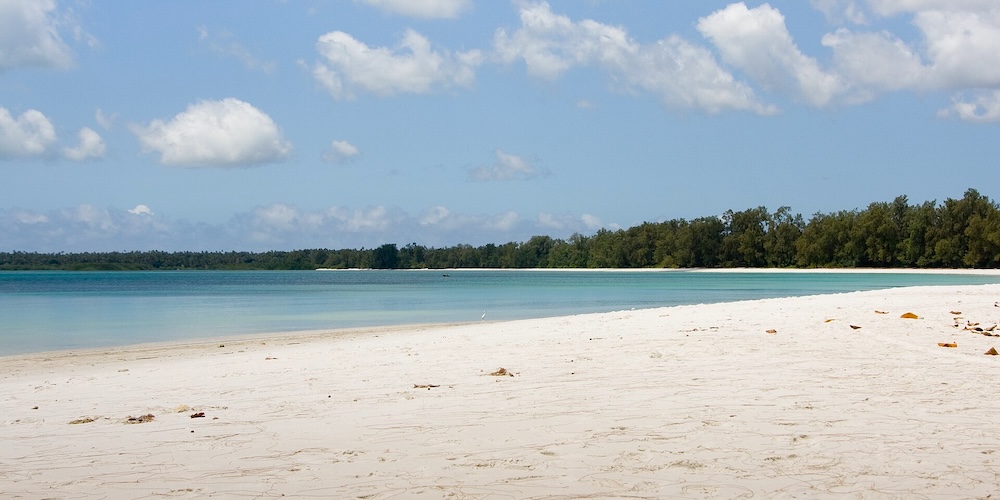
Pemba Island – ©Marcel Oosterwijk CC BY-SA 2.0 via Wikimedia Commons
Pemba Island is located north of Unguja and separated from the Tanzanian mainland by a channel some 56 km wide. The island is about 67 km long and 23 km wide, with an area of 985 km2 (380 square miles). Pemba is also mainly low lying, with its highest point being 312 feet.
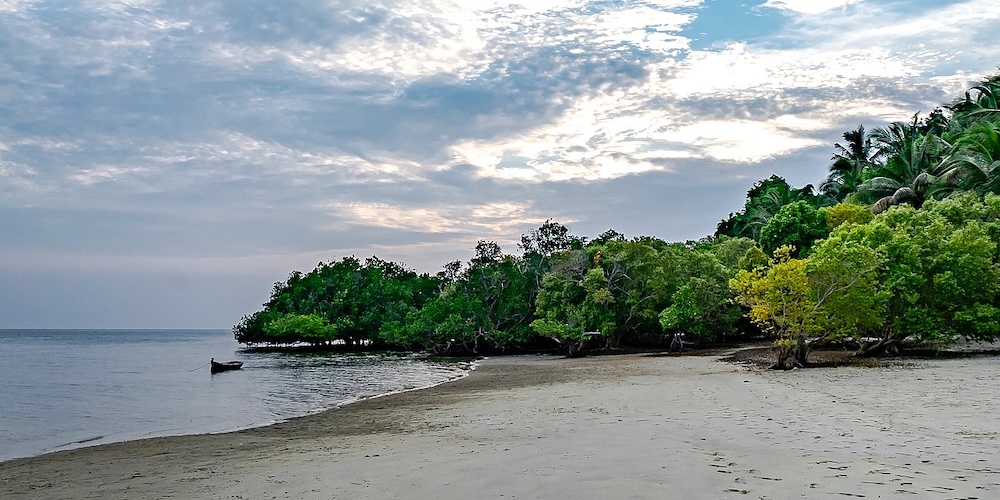
Mafia Island – ©Nina R CC BY 2.0 via Wikimedia Commons
Mafia Island (Chole Shamba) and its eight islets is the smallest of the three and lies some distance south of Zanzibar proper, 20 km off the coast, opposite the delta of the Rufiji River. It is the lowest of the islands peaking at just 174 feet. Its economy is based on fishing and subsistence farming. Although it attracts some tourists, mainly scuba divers, birdwatchers, game fishermen, and people seeking relaxation. It has a tropical climate.
Latham Island, known locally as Fungu Kizimkazi is an isolated island 43 km east of Kigamboni District in the Dar es Salaam Region of Tanzania. The island is geographically considered a part of the Zanzibar Archipelago.
Birding Zanzibar
Tanzania is known to have about total of over 1,500 birds species of which around 350 have been seen in Zanzibar archipelago and it’s surrounding areas including Pemba, Latham and Mafia Island. So, the wealth of birdlife of this island should not go unnoticed. However, the fact is that the majority of the island residents are not aware of their diverse avian neighbours. Most of Zanzibari residents do not know the best places to see its birds. The only birds they tend to be aware of are House Crows and House Sparrows and domestic Chickens and Ducks!
The truth is that there are some indigenous and Palearctic birds species which have adapted and survived the urbanisation process and can be seen all year around. Such birds including wetland birds such as Glossy Ibis, Crab Plover, Red-necked Phalarope and Little Bittern, as well as Eastern Green and Golden rumped Tinkerbird and Green Wood Hoopoe.
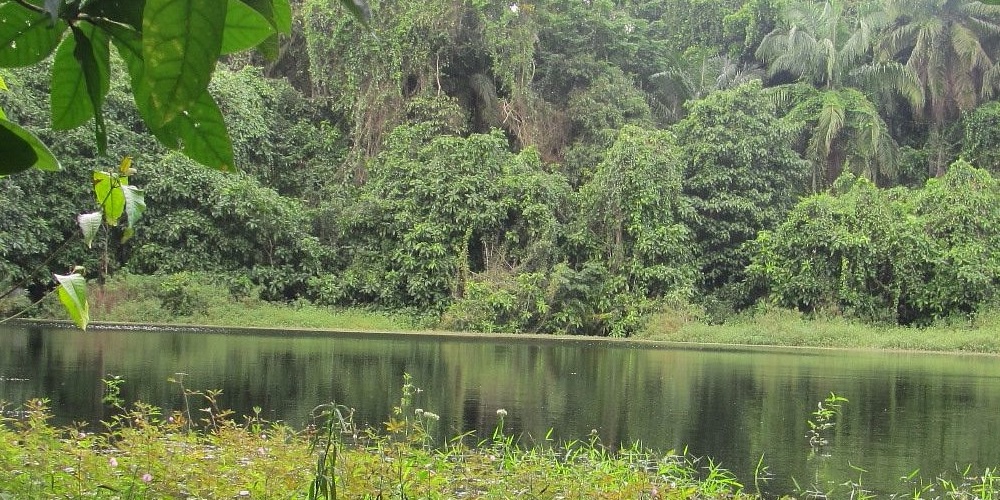
Ngezi Forest Reserve, Pemba – ©Public Domain
The common birds in the island include Greater Painted Snipe, Ruff, Black-winged Stilts, Mangrove, Malachite, Striped & Pied Kingfishers. Collared, Scarlet-chested, Olive & Purple-banded Sunbird, Gull-billed, Common & Greater Crested Tern, Common Moorhen, Sacred Ibis, White-faced Whistling Duck, Egyptian Goose, African Swamphen, Red-eyed, Ring-necked, Tambourine & Emerald-Spotted Wood Dove, African Paradise & Spotted Flycatcher, Bar-tailed & Black-tailed Godwit, Curlew, Common, Wood & Terek Sandpiper, Little Stint, Common Greenshank, Whimbrel, Heuglin’s, Sooty & Lesser Black-backed Gull. Grosbeak, African Golden, Spectacled & Forest Weaver, Common Drongo, Pied Crows, Black-Crowned Night Heron, Black Heron, Dimorphic Egret, African Jacana. Lilac-breasted & Broad-billed Roller. Bronze, & Black-and-white Mannikin and White-browed & Green Coucal, to mention just a few.
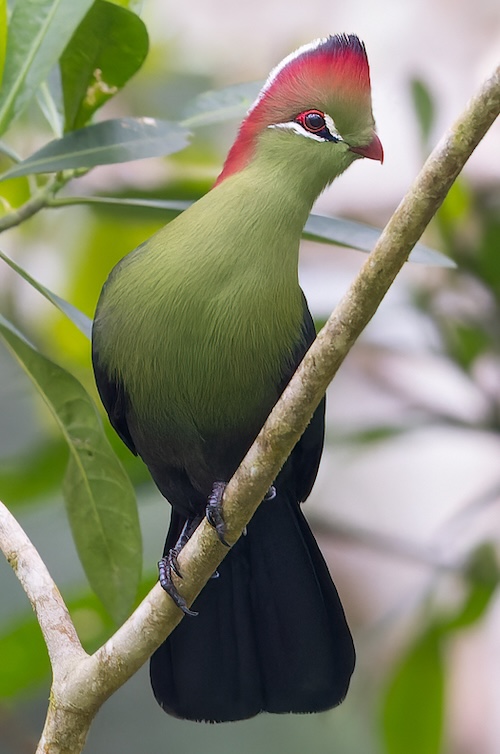
There are, of course, some special birds to be seen such as a subspecies of Mouse-coloured Sunbird, which is endemic to the Zanzibar archipelago. Other charismatic species found on the islands island include Fischer’s Turaco, Eastern-bearded Scrub-Robin, Little Greenbul, East Coast Akalat, Greater Frigatebird and Masked Booby.
Pemba Island is a must to see its four endemic species. Pemba Green Pigeon, Pemba Sunbird, Pemba White-eye and Pemba Scops Owl. Pemba is also good for Common African Harrier Hawk, Brown-headed Parrots and African Pygmy Goose. While Latham Island is the breeding site for many thousands of Masked Booby and Common Noddy. And the biodiversity of Mafia is similar to these other islands, making it great for birding too.
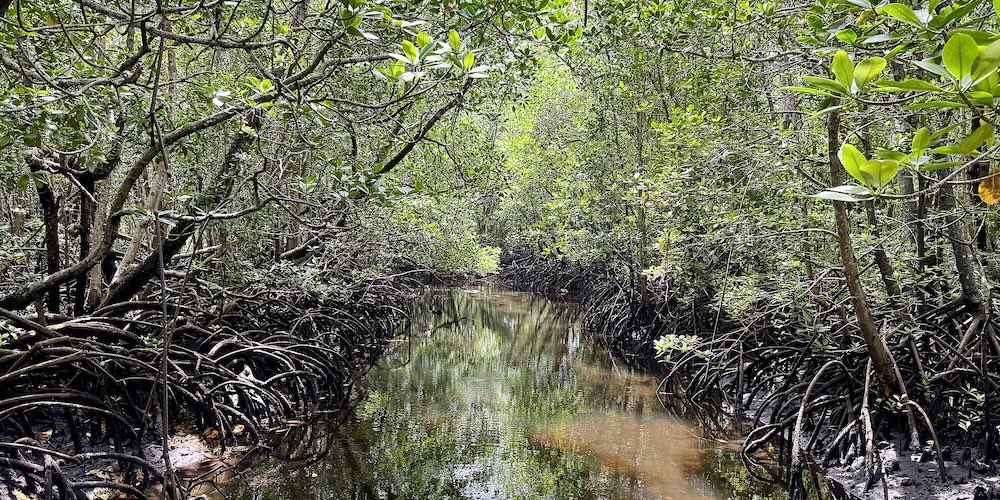
Jozani-Chwaka Bay National Park mangroves – ©Mnazini CC BY 4.0 via Wikimedia Commons
The quickest way to reach both Mafia and Pemba is by domestic flights which run daily from Abeid Amani Karume Airport just outside of Zanzibar city.
Some of the top birding localities include Pongwe-Kiwangwa Forest Reserve, Jozani-Chwaka Bay National Park, Ukongoloni forest and Ukongoloni island, Masingini Nature Forest Reserve, Ngezi Forest Reserve and Chanjaani Wetlands on Pemba, Kitope Community Forest, Chukwani Mangrove Forest, Bwawani Mlandege swamps and Chapwani island and Bhaharesa artificial sandbank. However, there are many other great spots and all are best accessed and birded with the help of a local guide.
-
Andrew Majembe
Birdwatching Zanzibar | ndegewadar@gmail.com
Facebook Page
-
Number of bird species: 365 - Zanzibar Island
(As at September 2026) -
Number of bird species: 378 - Zanzibar Archipelago
(As at September 2026)
Number of endemics: 4
Pemba Green Pigeon Treron pembaensis
Pemba Scops Owl Otus pembaensis
Pemba Sunbird Cinnyris pembae
Pemba White-eye Zosterops vaughani
-
Avibase
PDF ChecklistThis checklist includes all bird species found in Zanzibar Island , based on the best information available at this time. It is based on a wide variety of sources that I collated over many years. I am pleased to offer these checklists as a service to birdwatchers. If you find any error, please do not hesitate to report them. -
Avibase - Zanzibar Archipelago
PDF ChecklistZanzibar, Pemba and Mafia - This checklist includes all bird species found in Zanzibar Archipelago , based on the best information available at this time. It is based on a wide variety of sources that I collated over many years. I am pleased to offer these checklists as a service to birdwatchers. If you find any error, please do not hesitate to report them.
-
Zanzibar.eco
WebsiteZanzibar.eco is presented and managed by “The World Unite for Environment and Social Sustainability” (WUESS), a local NGO, registered in Zanzibar.
-
FR Kiwengwa/Pongwe Forest Reserve
InformationSatellite ViewThe reserve is an important biodiversity spot in the coral rag zone. The avifauna species consist of 47 bird species, which includes Fischer's turaco, Zanzibar sombre greenbul, crowned hornbill and white-browed coucal. -
FR Ngezi Forest Reserve
InformationSatellite ViewIt covers an area of 1,440 hectares (3,600 acres), mostly comprising primary forest. It is located in the north-western tip of Pemba . -
NP Jozani Chwaka Bay National Park
InformationSatellite ViewL:ocated within Kusini District of the South Zanzibar Region of Tanzania. It is the only national park in Zanzibar. This unique landscape features a blend of mangroves, tropical forests, coral reefs, and various wetlands, alongside agricultural and residential zones. Recognized as a biodiversity hotspot, the reserve is home to an array of reef fish, dolphins, and 168 bird species, including 30 that hold global and regional significance.
-
FEATURED
Birdwatching Zanzibar - Andrew Majembe
Guide & Tour OperatorOne of the few bird guides for the island with knowledge of the best localities etc. mailto:ndegewadar@gmail.com -
Jozani Birds Tours
Half-Day Bird Tour -
Zancelebrate
Half-day ToursZanzibar for Birdwatchers: Where to Spot Rare Island Birds
-
2022 [04 April] - Sue Bryan
Report...I also wanted to see a Crab Plover and Zanzibar was only an hour’s flight away. We knew that if we searched the east coast of the island we would hopefully find a bird on migration... -
2023 [10 October] - Washington Wachira
PDF Report...We stayed three nights at Pemba Paradise Resort, an easy and relaxing place to base on with ocean sunsets, nice food and a pool. The island was green in contrast to other regions we’d visit, and a lot of the trees and flowers were in bloom. We visited several birding hotspots on the Ngezi Forest Reserve and had great fun watching a colony of Fruit Bats, beau3ful African Paradise Flycatcher, two loudly calling Mangrove Kingfisher in the canopy, and best of all, Pemba Scops Owl, great views. Our local guides keep a very good eye on the four endemic species we hoped to see, and we were successful at all of them... -
2026 [05 May] - Luis Gonzalez
PDF Report...On the drive to the largest protected area of the island, Jozani Chwaka Bay National Park, we encountered an out of season Bluecheeked Bee-eater, a bird that neither of us expected...
-
Pemba Eco Lodge
AccommodationPemba Lodge is an eco-friendly resort offering bungalows made out of recycled boats and natural local materials. Each one is has a secluded location in the large garden and has direct access to the beach.
-
Birds Of Zanzibar
InformationZanzibar is home to a fragile host of ecosystems that are the habitats of a number of amazing mammals, birds, reptiles and amphibians.